
LEDストリップライトが切断後に動作しなくなるのはなぜですか?
Lightstec (LED ストリップの専門メーカー) による実践ガイド
LED ストリップ ライトの切断はカスタム設置では一般的ですが、不適切な技術を使用すると誤動作につながる可能性があります。大手 LED ストリップ工場として、当社は技術的な原因を説明し、実用的な解決策を提供します。

- 主な理由と解決策
- Lightstec からの予防的なヒント
- よくある質問
- 交換と修理の時期
- Lightstec LEDストリップ製品
主な理由と解決策
1. 間違った切断点
LED ストリップには、3 ~ 6 個の LED ごとにはさみアイコンがあり、安全な切断位置を示します。他の場所を切断すると内部回路が切断され、部分的または全体的な故障が発生します。
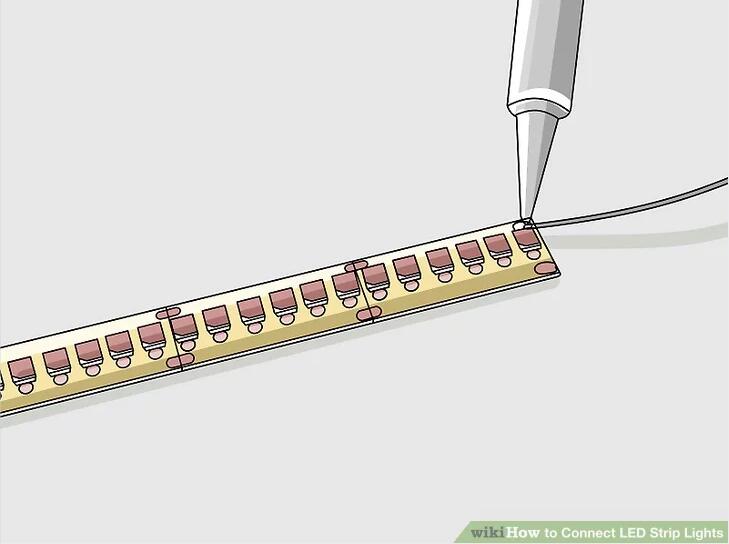
修理: 印を付けた箇所には鋭利なハサミを使用してください。偶発的に切断した場合は、マルチメーターで導通をテストし、切断された接続をはんだ付けしてください。

2. 回路の損傷または LED の焼け
切断すると銅パッドが露出し、酸化したり短絡したりする可能性があります。トリミング後に残りの LED を過負荷にすると、チップが焼ける可能性があります (黒い斑点として表示されます)。
修理: 切断端を液体絶縁テープまたは熱収縮チューブで絶縁します。焼けた LED は一致する 3V チップをはんだ付けして交換するか、ワイヤーでバイパスします。
3. 電源の不一致
ストリップを短くすると電圧要件が変わります。 60 個の LED を備えた 12V/5m ストリップ = LED あたり 2.4V。 3m に切断するということは、ドライバーが短い負荷に対して十分な電流を供給する必要があることを意味します。ドライバーのサイズが小さいと、減光やちらつきが発生します。
修理: 切断後にワット数を再計算します: LED 数/m × 長さ × W/LED = 合計ワット。 20% のヘッドルームがあるドライバーを選択してください。長時間のランニングの場合は、 24V LEDストリップ 電圧降下を軽減します。
4. 逆極性またはドライバーの故障
切断したストリップを +/- を逆にしたワイヤで再接続すると、LED が即座に損傷する可能性があります。ドライバの欠陥 (コンデンサの故障) も断続的な動作を引き起こす可能性があります。
修理: 電源を入れる前に極性を再確認してください。マルチメーターを使用してドライバーをテストします。欠陥のあるドライバーを Lightstec に適合するドライバーに置き換えます。

5. はんだ付けやコネクターの不良
はんだ接合部が緩んでいたり、低品質のコネクタがあると抵抗が発生し、調光や断続的な障害が発生します。
修理: ロジン入りはんだと 30W のコテを使用します。パッドとワイヤの両方を加熱してから、はんだを塗布します。はんだレス取り付けの場合は、高品質のものを使用してください LEDストリップコネクタ。
Lightstec からの予防的なヒント
- 取り付ける前に必ず 3V バッテリーでストリップをテストしてください。
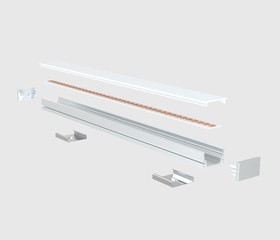
- 追加 アルミニウムチャンネル 高密度ストリップ (120+ LED/m) を短くする場合の放熱用。
- 特に IP65+ 防水ストリップの場合は、切断端を熱収縮剤またはエンド キャップでシールします。
- 電圧降下を最小限に抑えるために、5m 以上の配線には 24V ストリップを使用してください。
- 修理のために予備のコネクタとはんだ付けキットを手元に保管してください。
よくある質問
交換と修理の時期
修理可能: 軽度の火傷、マークされた箇所のきれいな切断、機能するドライバー、緩んだコネクタ、冷はんだ接合。
交換する: パッドの腐食、回路トレースの焼け、複数の LED の連続故障、IP 定格ストリップへの浸水による損傷。
Lightstec LED ストリップ ライト — 工場直送
すべての Lightstec LED ストリップは、マークされたポイントできれいに切断できるように設計されており、厚い銅 PCB と高品質のはんだパッドを使用しています。任意の製品をクリックして詳細を表示します。


LED ストリップにまだ問題がありますか?
Lightstec のエンジニアは、切断ガイド、電圧計算機、カスタム ドライバーのマッチングなどの技術サポートを無料で提供します。

ジェリー・フー
ライトステックの創設者。工学の学位。 LED照明の分野で13年以上。 LED照明に関する知識とソリューションを共有します。
もっと詳しく知る 間違いを犯す前に教えてくれる人が少ない、プロ主導のクラス。



This happened to me! I cut my LED strip and it stopped working. Turns out I cut at the wrong spot. Your guide explains the cut points and reconnection process clearly. The photo showing where to cut is really helpful for DIY users.
This happened to me last weekend! Turns out I also forgot that you need to reconnect the positive and negative wires properly after cutting. The diagram in this article would have saved me an hour of troubleshooting.