
Cách tự làm một chiếc đèn treo
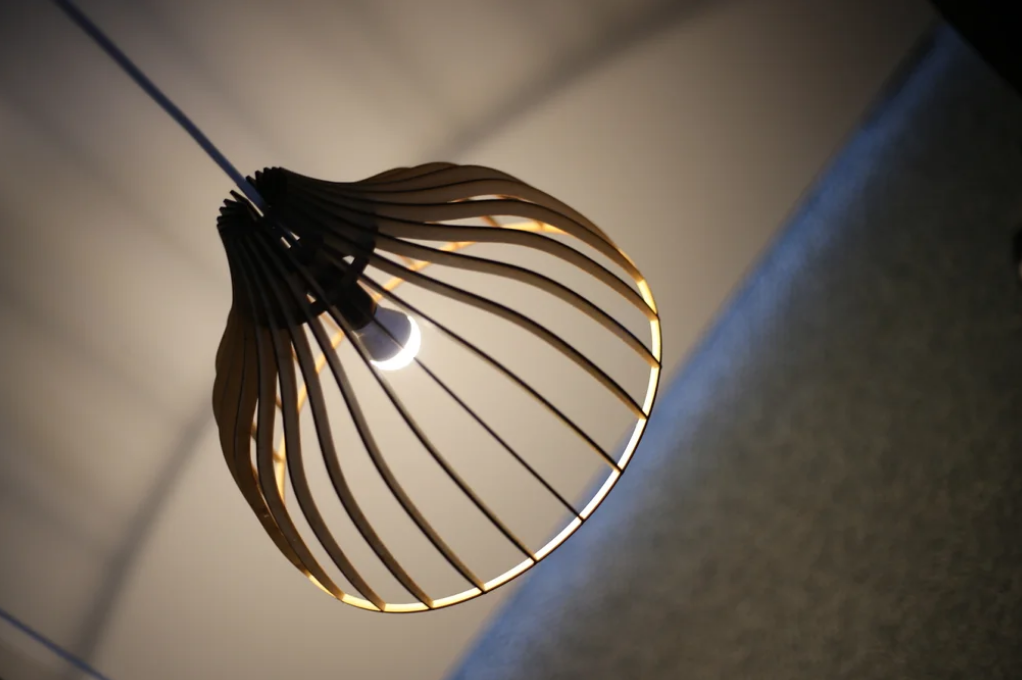
Làm một chiếc đèn treo LED đơn giản hơn bạn nghĩ. Với một số vật liệu cơ bản và đèn dải LED, bạn có thể tạo ra một chiếc đèn treo tùy chỉnh cho bất kỳ căn phòng nào. Hướng dẫn từng bước này sẽ hướng dẫn bạn toàn bộ quá trình.
- Bước 1: Thiết kế hình dạng đèn của bạn
- Bước 2: Chuẩn bị nguyên liệu
- Bước 3: Cắt và uốn tấm acrylic
- Bước 4: Lắp dải đèn LED
- Bước 5: Lắp ráp cấu trúc đèn
- Bước 6: Kiểm tra và điều chỉnh
- Lời khuyên về An toàn & Nâng cấp Tùy chọn
- Câu hỏi thường gặp
Bước 1: Thiết kế hình dạng đèn của bạn
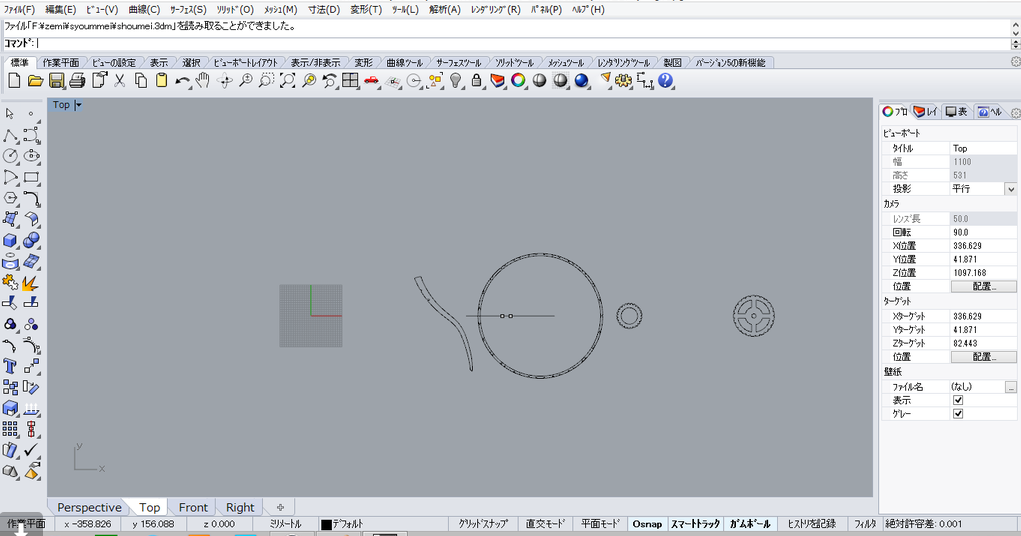
Bắt đầu bằng cách phác thảo hình dạng mong muốn của bạn trên giấy - các thiết kế hình học, hình tròn hoặc dạng tự do đều hoạt động tốt. Tìm cảm hứng trong các thiết kế đèn acrylic hiện đại như tấm acrylic uốn cong hoặc hình dạng mô-đun.
Công cụ cần thiết: Bút chì, thước kẻ, bút đánh dấu và một con dao tiện ích sắc bén hoặc dụng cụ cắt acrylic.
Bước 2: Chuẩn bị nguyên liệu
- Tấm acrylic (dày 3-5mm, trong hoặc mờ)
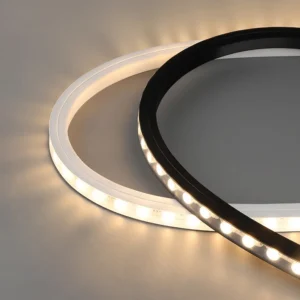
- đèn dải LED (SMD2835 hoặc SMD5050, khuyến nghị màu trắng ấm 2700-3000K)
- Trình điều khiển LED / nguồn điện (phù hợp với công suất dải)
- Dây treo hoặc dây xích + bộ tán trần
- Đầu nối dây, băng keo điện, ống co nhiệt
- Tuốc nơ vít, máy khoan, súng bắn keo
Mẹo của Lightstec: Để có một cái nhìn rõ ràng, không có điểm bên trong acrylic, hãy chọn Hơn 120 đèn LED/m dải hoặc dải COB. Luôn thêm 20% khoảng trống công suất khi chọn trình điều khiển.
Bước 3: Cắt và uốn tấm acrylic
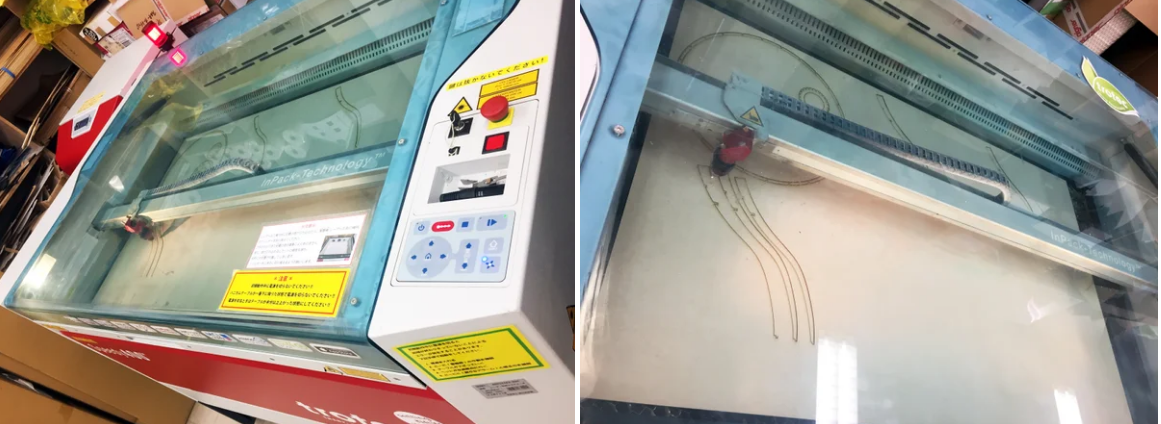
Chuyển thiết kế của bạn lên bảng acrylic bằng bút đánh dấu. Dùng dao tiện ích rạch dọc theo các đường, sau đó cắt sạch dọc theo vết. Đối với hình dạng cong, sử dụng súng nhiệt để làm mềm acrylic trước khi uốn.
Để biết một mẹo: Đeo kính an toàn và làm việc ở nơi thông thoáng. Chà nhám các cạnh cắt bằng giấy nhám mịn để có bề mặt mịn.
Bước 4: Lắp dải đèn LED
Làm sạch bề mặt acrylic bằng cồn xát. Bóc lớp nền của dải đèn LED và ấn chặt nó dọc theo mép trong của bảng. Đối với thiết kế hình tròn, hãy uốn cong dải một cách nhẹ nhàng - tránh những đường cong sắc nét có thể làm hỏng mạch điện.
Hàn hoặc kết nối dây dải với trình điều khiển đèn LED. Sử dụng ống co nhiệt để cách nhiệt tất cả các mối nối. Đối với các thiết lập có thể điều chỉnh độ sáng, hãy thêm một bộ điều chỉnh độ sáng tương thích giữa người lái xe và dải.
Bước 5: Lắp ráp cấu trúc đèn
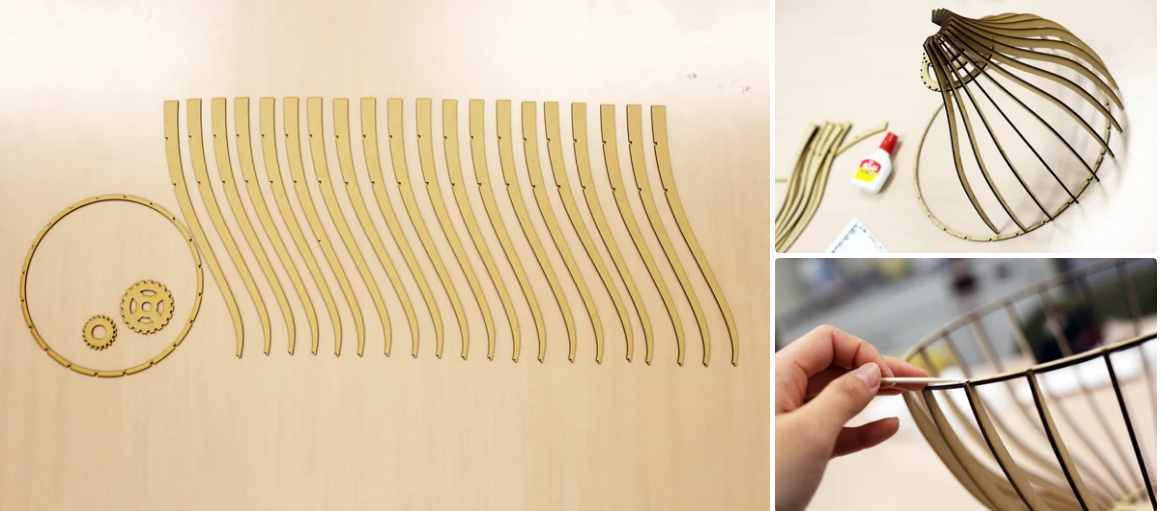
Gắn các tấm acrylic lại với nhau bằng vít nhỏ hoặc xi măng acrylic. Gắn dây treo lên trên cùng của cấu trúc. Luồn dây điện qua dây hoặc dọc theo dây xích lên trần nhà.
Bước 6: Kiểm tra và điều chỉnh
Trước khi treo, cắm driver vào nguồn và test đèn. Kiểm tra độ sáng đều, kết nối lỏng lẻo hoặc quá nóng. Điều chỉnh vị trí dải nếu bạn thấy có điểm nóng hoặc vùng tối.
Sau khi đã hài lòng, hãy gắn tán trần vào hộp nối và treo đèn. Điều chỉnh chiều dài dây cho chiều cao mong muốn của bạn.
Mẹo an toàn
- Luôn ngắt kết nối nguồn trước khi làm việc với các kết nối điện.
- Sử dụng trình điều khiển có công suất thích hợp - không bao giờ làm mạch bị quá tải.
- Đảm bảo tất cả các kết nối dây được cách điện bằng băng co nhiệt hoặc băng keo điện.
- Gắn tán vào hộp nối kết cấu, không chỉ vách thạch cao.
- Để thông gió đầy đủ xung quanh người lái để tránh quá nóng.
- Nếu không chắc chắn về hệ thống dây điện, hãy tham khảo ý kiến của thợ điện được cấp phép.
Nâng cấp tùy chọn
Ý tưởng nâng cấp
- Trình điều khiển có thể điều chỉnh độ sáng - điều chỉnh độ sáng cho các tâm trạng khác nhau
- Dải màu trắng có thể điều chỉnh - chuyển đổi giữa màu trắng ấm và trắng mát
- dải RGB - thêm hiệu ứng đổi màu
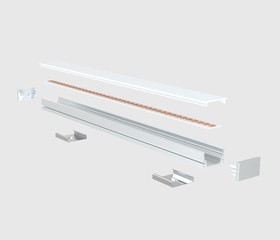
- Kênh nhôm - tản nhiệt tốt hơn và trông sạch sẽ hơn
- Cảm biến chuyển động - rảnh tay thuận tiện
Dải đèn LED Lightstec cho đèn DIY
Tất cả các dải đèn LED Lightstec đều có lớp nền dính 3M, PCB đồng dày và các điểm cắt sạch — hoàn hảo cho các dự án đèn DIY. Click vào bất kỳ sản phẩm nào để xem chi tiết:


LT-2835WW192R-W24
SMD2835, 192 đèn LED/m, DC24V — Không có điểm, lớp hoàn thiện cao cấp


Câu hỏi thường gặp
Tải xuống danh mục mới nhất của chúng tôi dưới dạng PDF
Để tiết kiệm thời gian cho bạn, chúng tôi cũng đã chuẩn bị một danh mục phiên bản PDF. Bạn có thể kiểm tra tất cả các sản phẩm đèn LED mới nhất của chúng tôi. Chỉ cần để lại email của bạn và bạn sẽ nhận được danh mục PDF ngay lập tức.


JerryHu
Người sáng lập Lightstec. Bằng kỹ sư. Hơn 13 năm trong lĩnh vực chiếu sáng LED. Chia sẻ kiến thức và giải pháp về đèn LED.
Tìm hiểu thêm các lớp hướng dẫn chuyên nghiệp mà ít người nhắc nhở bạn trước khi bạn mắc lỗi.
Bài viết hay đấy. Tôi học được điều gì đó hoàn toàn mới và đầy thử thách trên các trang web
Great DIY project idea! We made a similar hanging lamp using a vintage brass fixture and LED strip. The strip hidden inside the diffuser gives a beautiful warm glow. Will be trying the Lightstec strips for our next one.