
How many times have you replaced a burnt-out incandescent bulb this year? If you have lost count, it may finally be time to consider switching to LED light bulbs. LED bulbs have become the go-to choice in modern households because they are cost-effective, energy-efficient and available in a wide range of warm and cool shades — perfect for setting the right mood in every room.
Even so, many homeowners still ask: is switching to LEDs truly worth it? In this guide, we compare LED and incandescent bulbs, walk through the real savings and the points you need to consider, and help you decide with confidence.

LED vs. Incandescent Bulbs
Light-emitting diodes (LEDs) produce light when an electrical current passes through a semiconductor. In simple terms, LEDs deliver a similar amount of light while using only a fraction of the energy of traditional incandescent bulbs.
Incandescent bulbs remain popular because they are cheap to buy — especially in UK households — but their low price rarely translates into real savings. They consume nearly three times as much energy, light unevenly and burn out quickly. That is why the cheapest bulb at the shelf is often the most expensive one you can run.
That does not mean incandescent bulbs have no place in a home. Their naturally warmer tone makes them pleasant in bedrooms and lounges where cosiness matters more than brightness — just remember to switch them off when they are not in use. For busy, productive spaces such as the home office, kitchen and living room, LEDs are the smarter choice: they deliver more even and brighter light, and need far fewer bulb changes.
| Feature | Incandescent Bulb | LED Bulb |
|---|---|---|
| Energy use | Uses about 3x more energy | Up to 85% less energy |
| Lifespan | ~1,000 hours, replaced yearly | 25x longer (15,000–50,000 h) |
| Color options | Warm white only | Warm to daylight + colors |
| Light quality | Uneven, warm glow | Even, bright, focused beams |
| Running cost | Higher over time | Save up to $1,000 in 10 years |
| Heat emission | High | Low |

Why Switch to LED Lights?
If you are still on the fence about whether to give LED light bulbs a try, here are the reasons LEDs remain hard to beat by regular bulbs:
1. Significantly lower energy bills
LEDs consume up to 85% less energy and last 25 times longer than incandescent bulbs. Although the upfront cost is higher, households can expect to save an average of $1,000 over ten years.
2. Far longer lifespan
Incandescent bulbs usually need replacing every year. LEDs last for years, cutting both the cost and the hassle of climbing up to change bulbs — and reducing household waste at the same time.
3. More color temperature options
Modern LEDs are no longer limited to harsh white. Choose warm tones for bedrooms, neutral tones for living areas, or even colored light for accent effects. See our 3000K vs 6000K comparison to pick the right tone.
4. Excellent accent lighting
Incandescent bulbs scatter light in every direction, while LEDs produce focused, flexible beams that are ideal for accent, recessed and under-cabinet lighting — perfect for kitchens and display areas.
What to Consider Before Converting to LED Lights
All the benefits above may have convinced you it is time to switch — and we are all for it. Before you head to the store or call your electrician, here are a few important points to keep in mind:
1. You may need help from a professional
Swapping bulbs is easy, but upgrading an outdated lighting system can get complicated. For safety and efficiency, an electrician may be required. Pair your new LEDs with a reliable LED power supply to get the best performance.
2. LED bulbs cost more upfront
A new LED bulb can cost nearly twice the price of a regular bulb. Do not let the sticker price put you off — the energy savings and longer lifespan quickly make up for the initial cost.
3. Light quality can fade over time
No bulb lasts forever. After years of use, temperature changes and wear can slowly reduce brightness and shift color. When that happens, it is simply time for fresh LEDs.
4. Dimmable LEDs need compatible dimmers
Not every LED works with older dimmer technology. If you want smooth dimming, choose dimmable LED bulbs and install a compatible system. Learn more about how to dim LED strip lights for guidance.
How to Choose the Right LED Color Temperature
Color temperature — measured in Kelvins (K) — decides whether a room feels warm and cosy or bright and productive. Choosing the right Kelvin value is one of the most common questions when converting a home to LED lighting.
| Kelvin | Tone | Best For |
|---|---|---|
| 2700K | Warm white | Bedrooms, lounges, dining areas |
| 3000K | Soft white | Living rooms, kitchens |
| 4000K | Cool white | Bathrooms, home offices |
| 5000–6500K | Daylight | Garages, workbenches, task areas |

Want to see the difference side by side? Read our full comparison of 3000K vs 6000K LED strip lights to understand how color temperature changes the feel of a room.
Is Converting Your Home to LED Worth It?
Yes — for most homes, converting to LED lighting is absolutely worth it. If you are tired of yearly bulb replacements, want to cut your electricity bill, or simply want a greener home, LED lighting delivers clear long-term value.
The only real hurdle is the upfront cost — and it pays for itself within a few years through lower bills and fewer replacements. Whether you are swapping individual bulbs or planning a full home lighting upgrade, LEDs are a smart, future-proof investment. Need help choosing fixtures? Start with our LED strip light buying guide.

Download Our Latest Catalog as a PDF
To save you time, we have prepared a PDF catalog with all our latest LED light products. Leave your email and you will get the PDF catalog immediately.

Founder of Lightstec. Engineering degree. More than 13 years of working experience in the LED lighting business, familiar with producing LED lighting products. This blog shares knowledge and solutions in LED lighting. Welcome to source LED lights from China.
Learn More Professional Led Classes Which Less People Tell You Before You Make Mistake.
Recommended LED Products for Your Home Conversion
Click any product to view specifications and request a quote:


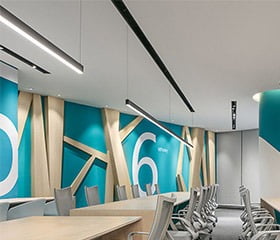

Switching to LED lights transformed my home! The energy efficiency, longevity, and vibrant lighting make it absolutely worth it. A game-changer for both the environment and my electricity bill!