
Layered lighting has become a cornerstone of modern interior design, blending functionality and aesthetics. Among the most versatile tools are Fitas LED, which create soft, diffused illumination without the harshness of single-point lighting. This guide helps you master layered lighting with professional tips from Lightstec.
I. Introduction to Layering Lights with LED Strips
Why Use LED Strips for Layered Lighting?
Install in tight spaces, curved surfaces, or irregular layouts.
Consume up to 80% less energy than traditional bulbs.
Adjust brightness, color temperature, and dynamic RGB effects.
Soft, indirect lighting reduces glare and creates a cozy atmosphere.
II. Common Concerns and Solutions
1. Installation Challenges
Issue: Hidden installation without visible wiring.
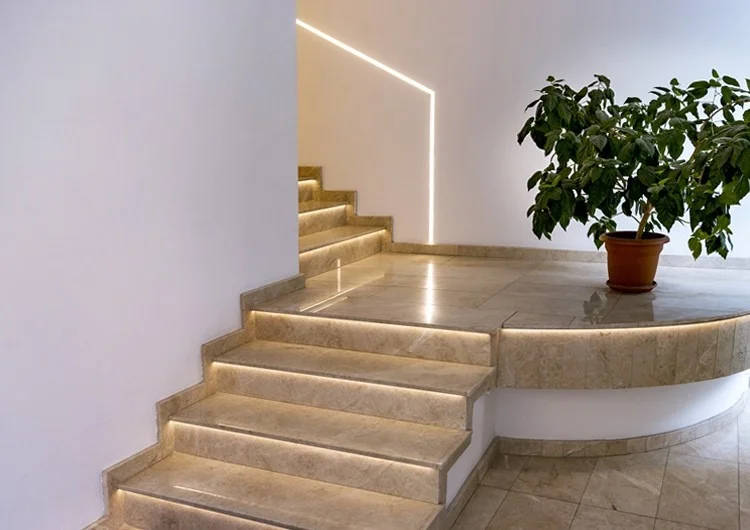
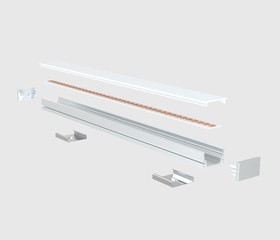
Use U-shaped aluminum channels to conceal and diffuse; adhesive-backed strips with 3M tape; magnetic tracks for recessed areas. Create a layout blueprint to avoid gaps.
2. Brightness & Color Consistency
Issue: Inconsistent brightness or color temperature between layers.
Angle strips 45–60° toward reflective surfaces; use high-CRI (90+) strips; pair with smart dimmers or DMX controllers; select strips from the same batch.

3. Safety & Heat Management
Issue: Overheating risks in enclosed spaces.
Install on aluminum profiles (heat sinks), not PVC; active cooling for >14W/m; IP65/IP67 for humid areas; inspect connections regularly.
4. Power & Electrical Load
Issue: Overloaded circuits or voltage drop.
Total wattage = Length × W/m × 1.2 buffer; use 60W/100W/200W drivers; inject power from both ends for runs >5m; add amplifiers for RGB/RGBW.
5. Durability & Maintenance
Issue: Premature fading, flickering, or failure.
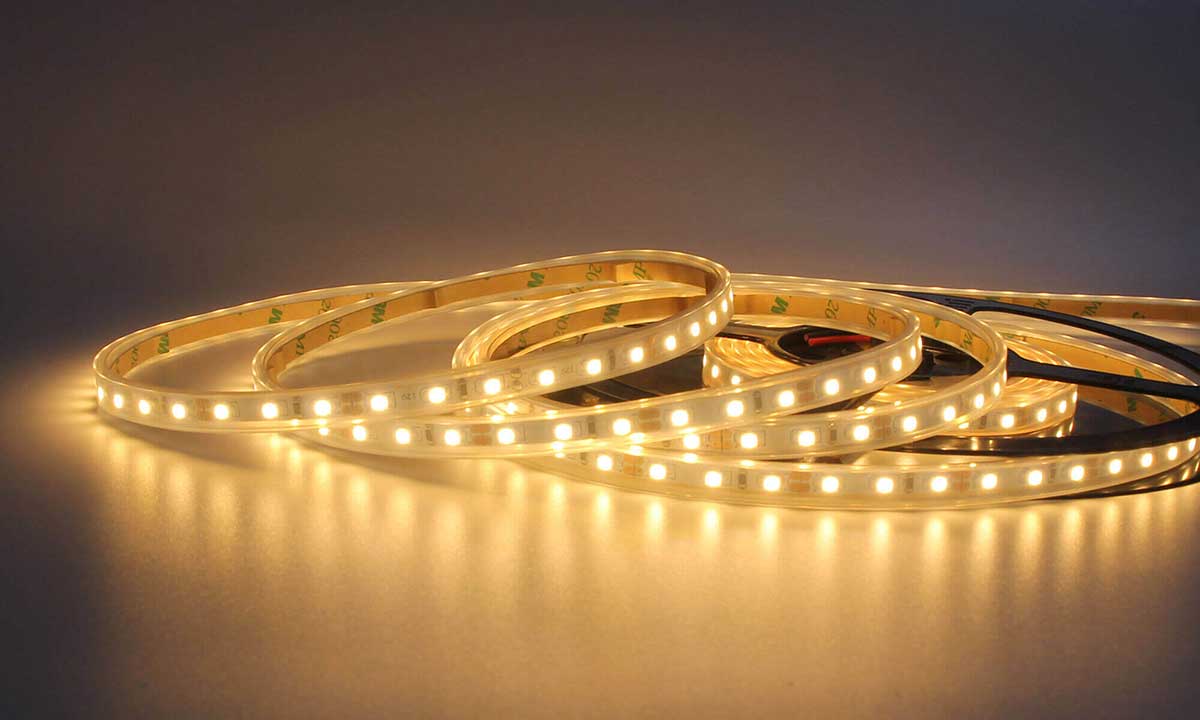
Copper-clad PCB for conductivity; IP68 silicone-coated for outdoor; clean every 3–6 months; replace segments with solderless connectors.
III. Creative Applications
Ambient Lighting
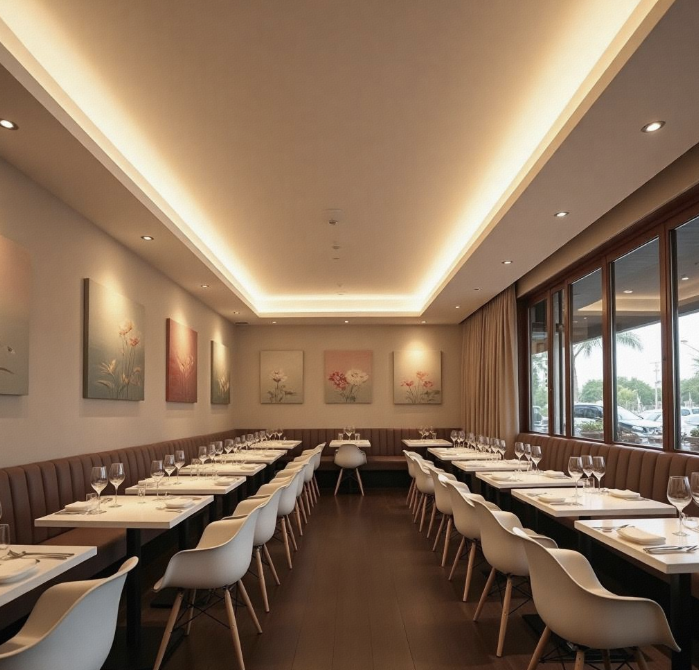
Ceiling coving with warm-white (2700–3000K) for a floating effect; under-bed dimmable strips for night pathways.
Decorative Lighting
RGB strips behind bookshelves for dynamic color; high-CRI strips to frame artwork.
Smart Home Integration
Sync with Google Home, Alexa, HomeKit; preset scenes like “Movie Night” or “Morning Wake-Up”.
Produtos recomendados para tiras de LED
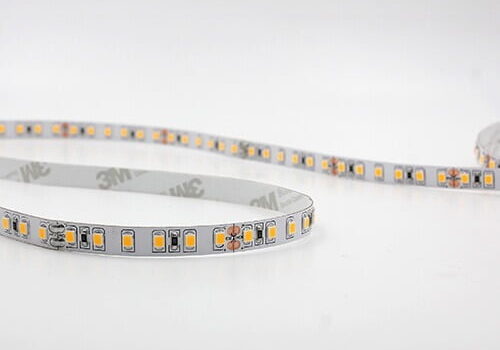
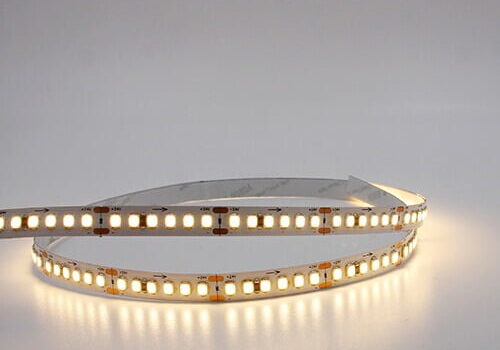
Build your layered lighting with factory-quality strips from Lightstec:

4. Perguntas frequentes e dicas práticas
Qual é a melhor técnica para destacar árvores?
Use iluminação ascendente com holofotes LED 3000K na base. Para adicionar drama, combine com reflexos de água.
Quais luminárias são melhores para caminhos?
Bollard lights or solar-powered LED strips (IP65+) for even illumination.
Como escolho entre iluminação quente e fria?
Warm tones (2700–3000K) for gardens; cool tones (4000K+) for security or commercial spaces.
Qual voltagem é mais segura para iluminação externa?
12V systems are low-risk and ideal for DIY. Lightstec offers plug-and-play kits.
Como faço para manter as luzes LED de paisagem?
Limpe as lentes anualmente, verifique se há corrosão na fiação e substitua os drivers a cada 5–7 anos.
Master Layered Lighting with Lightstec
Explore our LED strip collection and bring professional layered lighting to your space.

Baixe nosso catálogo mais recente em PDF
Para poupar seu tempo, preparamos um catálogo em PDF com todos os nossos mais recentes produtos de iluminação LED. Deixe seu e-mail e receba imediatamente.

JerryHu
Fundador da Lighttec. Graduação em engenharia. Mais de 13 anos em iluminação LED. Compartilhando conhecimento e soluções para iluminação LED.
Aprenda mais aulas ministradas por profissionais que menos pessoas lhe dirão antes de você cometer um erro.
Love this layered lighting concept! We always recommend combining ambient, task, and accent lighting in residential projects. The examples of using LED strips for all three layers are practical and well-explained.
The layered lighting concept completely changed how we design living rooms. We now always include three layers: ambient from ceiling, task from under cabinets, and accent from LED strips behind the TV. Clients notice the difference immediately.