
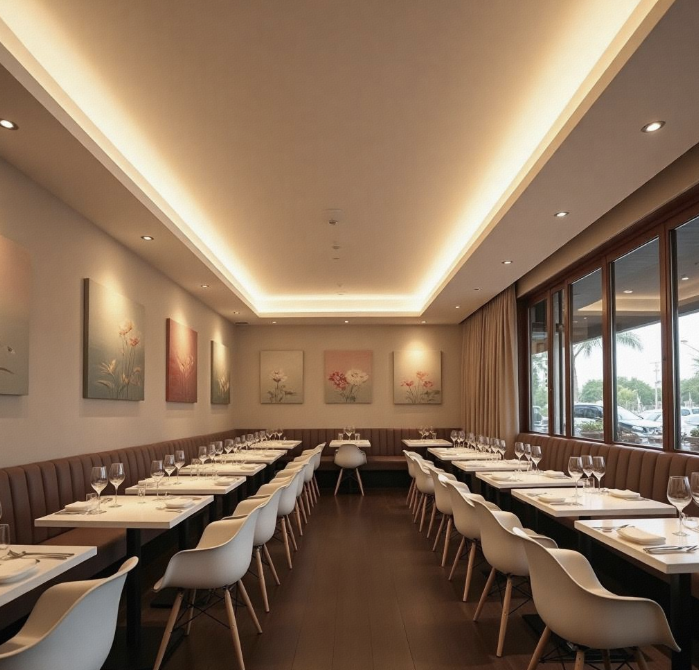
La iluminación en capas se ha convertido en la piedra angular del diseño de interiores moderno, combinando funcionalidad y estética. Entre las herramientas más versátiles se encuentran tiras de luces LED, que crean una iluminación suave y difusa sin la dureza de la iluminación de un solo punto. Esta guía le ayuda a dominar la iluminación en capas con consejos profesionales de Lightstec.
Relacionado: lee nuestro everything you need to know about 12v led strip lights in 2025.
I. Introducción a la superposición de luces con tiras de LED
¿Por qué utilizar tiras de LED para iluminación en capas?
Instale en espacios reducidos, superficies curvas o diseños irregulares.
Consume hasta un 80% menos de energía que las bombillas tradicionales.
Ajuste el brillo, la temperatura del color y los efectos RGB dinámicos.
La iluminación suave e indirecta reduce el deslumbramiento y crea una atmósfera acogedora.
II. Preocupaciones y soluciones comunes
1. Desafíos de instalación
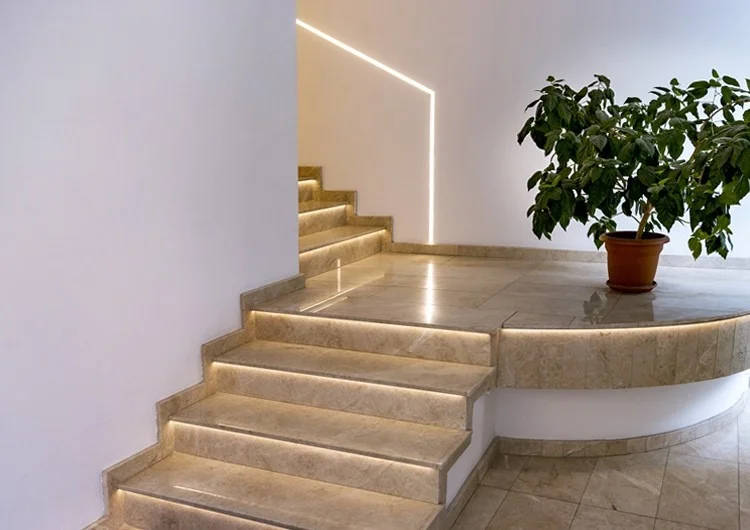
Problema: Instalación oculta sin cableado visible.
Utilice canales de aluminio en forma de U para ocultar y difundir; tiras adhesivas con cinta 3M; Pistas magnéticas para zonas empotradas. Cree un plano de diseño para evitar espacios.
2. Brillo y consistencia del color
Problema: Brillo o temperatura de color inconsistentes entre capas.
Coloque las tiras en ángulo de 45 a 60° hacia superficies reflectantes; utilice tiras con IRC alto (90+); emparéjelo con atenuadores inteligentes o controladores DMX; seleccione tiras del mismo lote.

3. Seguridad y gestión del calor
Asunto: Riesgos de sobrecalentamiento en espacios cerrados.
Instalar en perfiles de aluminio (disipadores de calor), no en PVC; enfriamiento activo para >14W/m; IP65/IP67 para zonas húmedas; Inspeccione las conexiones periódicamente.
4. Energía y carga eléctrica
Problema: circuitos sobrecargados o caída de voltaje.
Potencia total = Longitud × W/m × 1,2 buffer; utilice controladores de 60W/100W/200W; inyecte energía desde ambos extremos para recorridos >5 m; agregue amplificadores para RGB/RGBW.
5. Durabilidad y mantenimiento
Problema: desvanecimiento prematuro, parpadeo o falla.
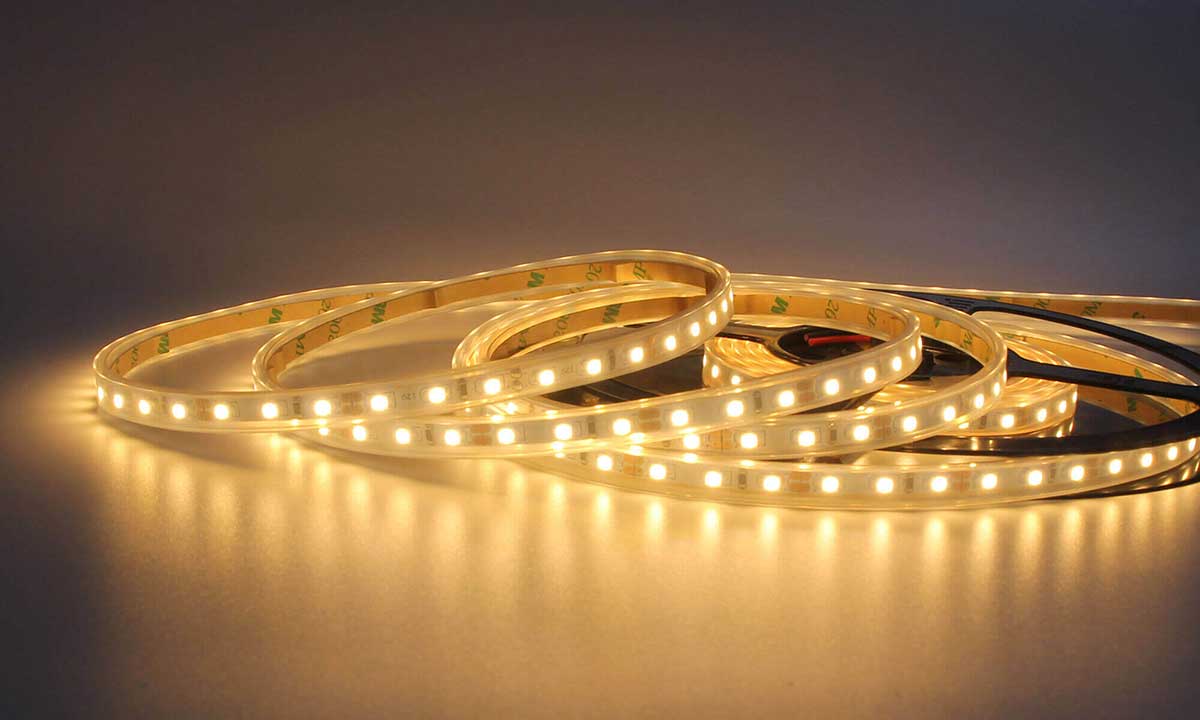
PCB revestido de cobre para conductividad; Recubrimiento de silicona IP68 para exteriores; limpiar cada 3 a 6 meses; reemplace los segmentos con conectores sin soldadura.
III. Aplicaciones creativas
Iluminación ambiental
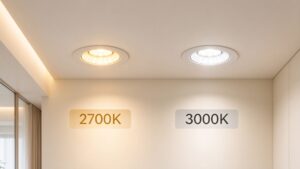
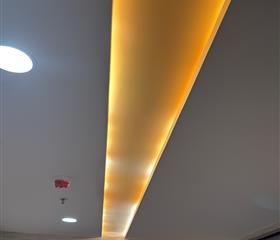
Moldura de techo con blanco cálido (2700–3000 K) para un efecto flotante; Tiras regulables debajo de la cama para zonas nocturnas.
Iluminación decorativa
Tiras RGB detrás de las estanterías para un color dinámico; tiras de alto CRI para enmarcar obras de arte.
Integración de hogar inteligente
Sync with Google Home, Alexa, HomeKit; preset scenes like “Movie Night” or “Morning Wake-Up”.
Productos de tiras LED recomendados
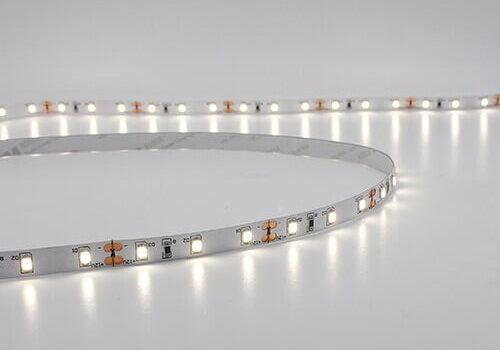
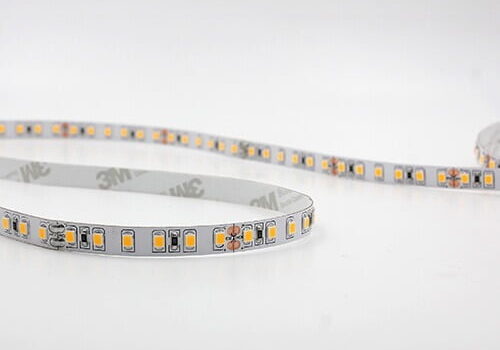
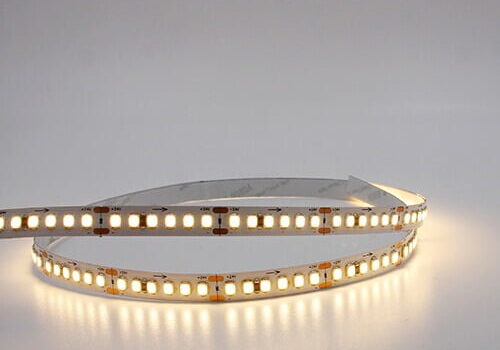
Construya su iluminación en capas con tiras de calidad de fábrica de Lightstec:

IV. Preguntas frecuentes y consejos prácticos
¿Cuál es la mejor técnica para resaltar árboles?
Utilice iluminación ascendente con focos LED de 3000K en la base. Para darle más dramatismo, combínalo con reflejos en el agua.
¿Qué accesorios son mejores para los caminos?
Balizas luminosas o tiras de LED alimentadas por energía solar (IP65+) para una iluminación uniforme.
¿Cómo elijo entre iluminación cálida y fría?
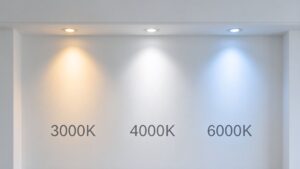
Tonos cálidos (2700–3000K) para jardines; Tonos fríos (4000K+) para seguridad o espacios comerciales.
¿Qué voltaje es más seguro para la iluminación exterior?
Los sistemas de 12 V son de bajo riesgo e ideales para el bricolaje. Lightstec ofrece kits plug-and-play.
¿Cómo mantengo las luces LED para jardines?
Limpie las lentes anualmente, revise el cableado en busca de corrosión y reemplace los controladores cada 5 a 7 años.
Domine la iluminación en capas con Lightstec
Explore nuestra colección de tiras de LED y lleve iluminación en capas profesional a su espacio.

Descargue nuestro último catálogo en formato PDF
Para ahorrarle tiempo, hemos preparado un catálogo en PDF con todos nuestros últimos productos de iluminación LED. Deja tu correo electrónico y recíbelo inmediatamente.

jerryhu
Fundador de Lightstec. Grado en ingeniería. Más de 13 años en iluminación LED. Compartiendo conocimientos y soluciones para la iluminación LED.
Obtenga más clases dirigidas por profesionales que menos personas le dirán antes de cometer un error.
Layered lighting is the core of what we do and this article is a solid reference on combining ambient, task and accent layers. Well structured.
Beautiful guide on layered lighting. Lightstec has been a reliable partner for our lighting designs — professional, creative and consistent quality. We will definitely cooperate again in the future.