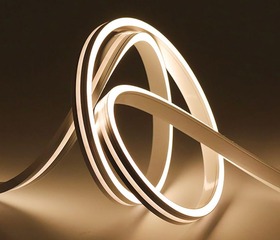
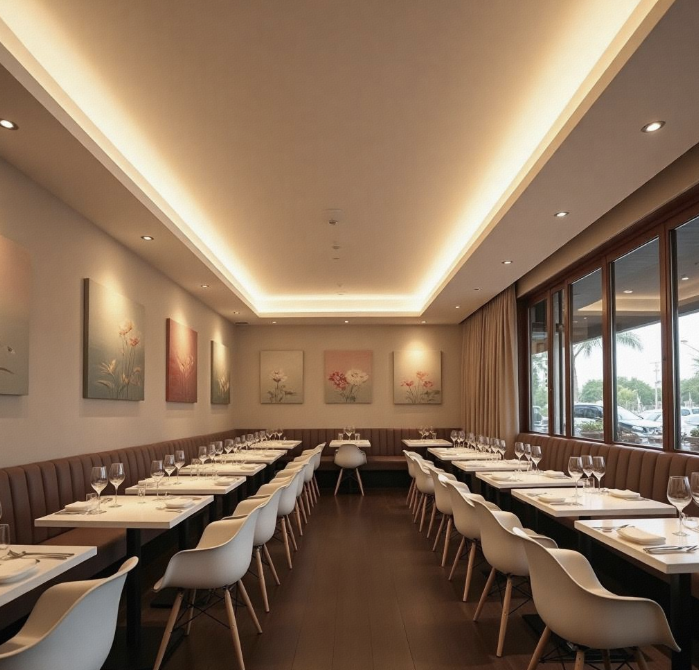
L’éclairage en couches est devenu la pierre angulaire du design d’intérieur moderne, alliant fonctionnalité et esthétique. Parmi les outils les plus polyvalents figurent Bandes lumineuses LED, qui créent un éclairage doux et diffus sans la dureté d'un éclairage ponctuel. Ce guide vous aide à maîtriser l'éclairage en couches grâce aux conseils professionnels de Lightstec.
I. Introduction à la superposition de lumières avec des bandes LED
Pourquoi utiliser des bandes LED pour un éclairage en couches ?
Installez-le dans des espaces restreints, des surfaces courbes ou des dispositions irrégulières.
Consommez jusqu'à 80 % d'énergie en moins que les ampoules traditionnelles.
Ajustez la luminosité, la température de couleur et les effets RVB dynamiques.
Un éclairage doux et indirect réduit l’éblouissement et crée une atmosphère chaleureuse.
II. Préoccupations courantes et solutions
1. Défis d'installation
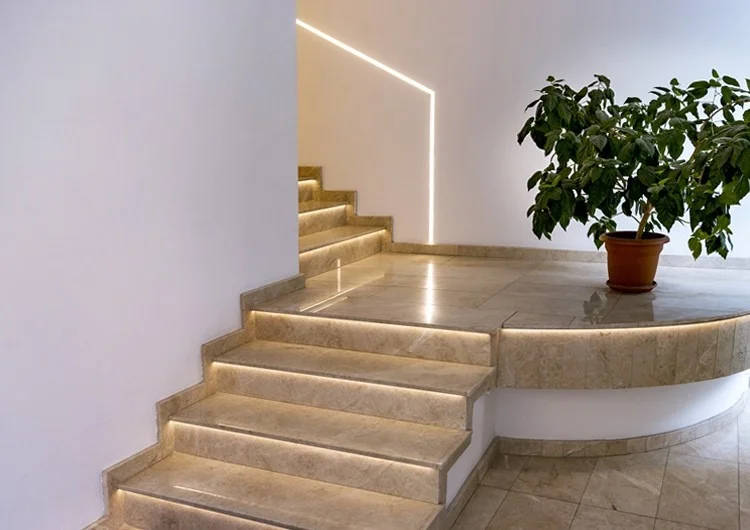
Problème : Installation cachée sans câblage visible.
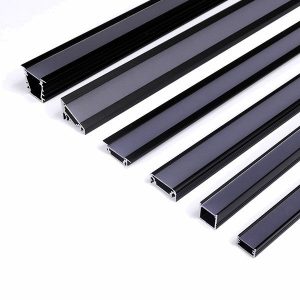
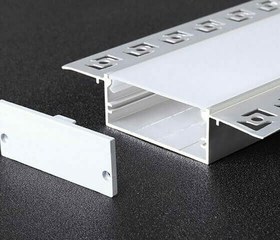
Utilisez des canaux en aluminium en forme de U pour dissimuler et diffuser ; bandes adhésives avec ruban 3M ; pistes magnétiques pour zones encastrées. Créez un plan de mise en page pour éviter les lacunes.
2. Luminosité et cohérence des couleurs
Problème : Luminosité ou température de couleur incohérente entre les couches.
Angle des bandes de 45 à 60° vers les surfaces réfléchissantes ; utilisez des bandes à IRC élevé (90+) ; associez-le à des gradateurs intelligents ou à des contrôleurs DMX ; sélectionner des bandes du même lot.

3. Sécurité et gestion de la chaleur
Problème : Risques de surchauffe dans les espaces clos.
Installer sur des profilés en aluminium (dissipateurs thermiques), pas en PVC ; refroidissement actif pour >14 W/m ; IP65/IP67 pour les zones humides ; inspectez régulièrement les connexions.
4. Puissance et charge électrique
Problème : Circuits surchargés ou chute de tension.
Puissance totale = Longueur × W/m × 1,2 tampon ; utilisez des pilotes 60W/100W/200W ; injecter de la puissance aux deux extrémités pour des courses > 5 m ; ajoutez des amplificateurs pour RVB/RGBW.
5. Durabilité et entretien
Problème : décoloration, scintillement ou échec prématuré.
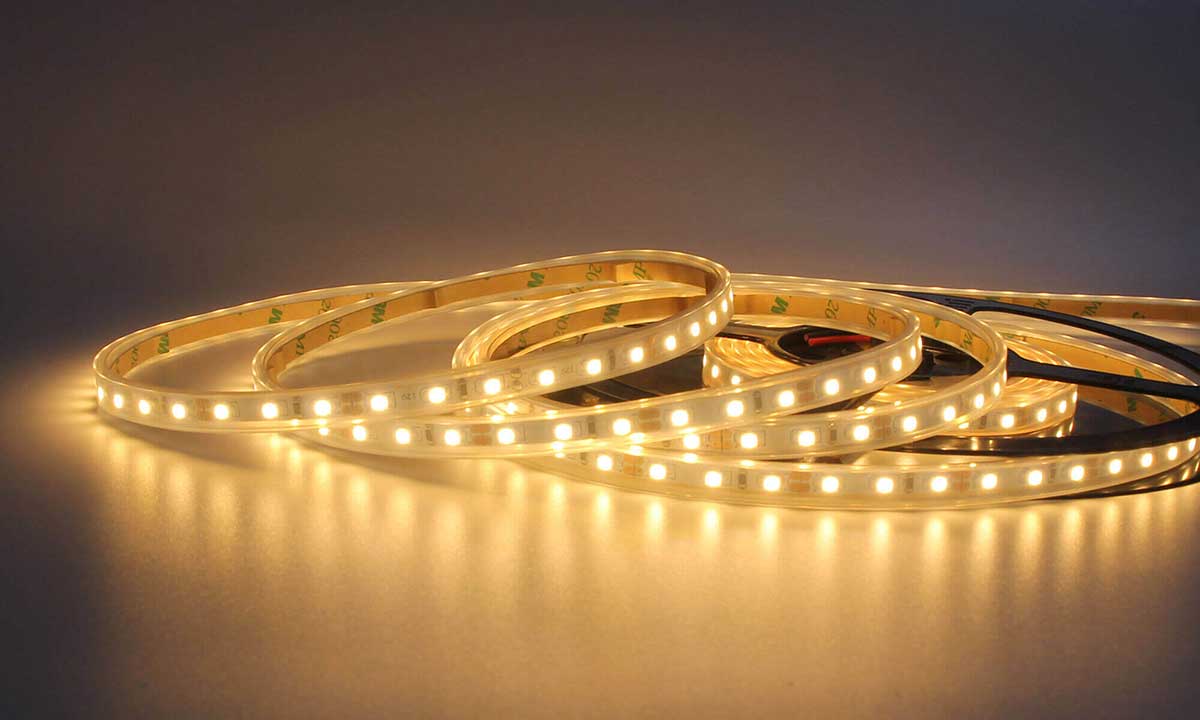
PCB recouvert de cuivre pour la conductivité ; Revêtement silicone IP68 pour l'extérieur ; nettoyer tous les 3 à 6 mois ; remplacez les segments par des connecteurs sans soudure.
III. Applications créatives
Éclairage ambiant
Moulure de plafond blanc chaud (2 700–3 000 K) pour un effet flottant ; bandes dimmables sous le lit pour les allées nocturnes.
Éclairage décoratif
Bandes RVB derrière les étagères pour des couleurs dynamiques ; bandes à IRC élevé pour encadrer les œuvres d'art.
Intégration de la maison intelligente
Synchronisez avec Google Home, Alexa, HomeKit ; scènes prédéfinies comme « Soirée cinéma » ou « Réveil matinal ».
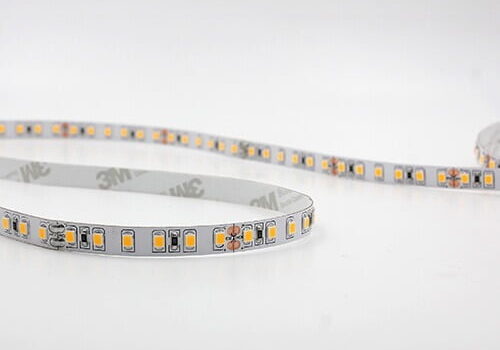
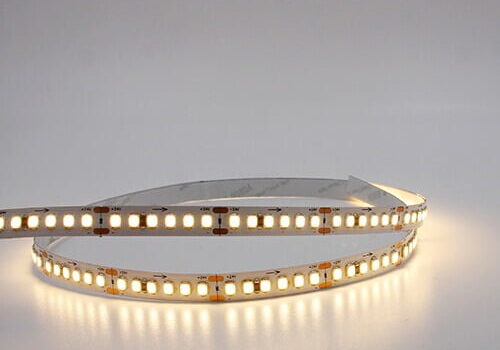
Produits de bandes LED recommandés
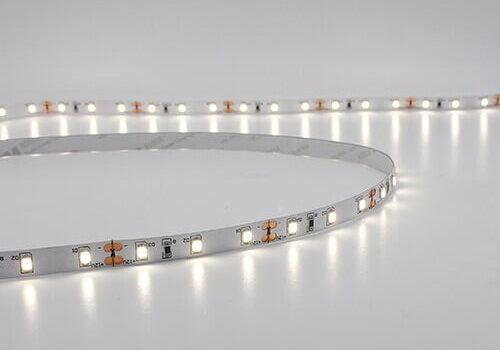
Construisez votre éclairage en couches avec des bandes de qualité d'usine de Lightstec :

IV. FAQ et conseils pratiques
Quoi’Quelle est la meilleure technique pour mettre en valeur les arbres ?
Utilisez un éclairage vers le haut avec des projecteurs LED 3000K à la base. Pour plus de drame, associez-le à des reflets d’eau.
Quels luminaires conviennent le mieux aux allées ?
Bornes lumineuses ou bandes LED à énergie solaire (IP65+) pour un éclairage homogène.
Comment choisir entre un éclairage chaud et froid ?
Tons chauds (2 700–3 000 K) pour les jardins ; tons froids (4000K+) pour la sécurité ou les espaces commerciaux.
Quelle tension est la plus sûre pour l’éclairage extérieur ?
Les systèmes 12 V sont à faible risque et idéaux pour le bricolage. Lightstec propose des kits plug-and-play.
Comment entretenir les éclairages paysagers LED ?
Nettoyez les lentilles chaque année, vérifiez le câblage pour déceler la corrosion et remplacez les pilotes tous les 5 à 7 ans.
Maîtrisez l’éclairage en couches avec Lightstec
Explorez notre collection de bandes LED et apportez un éclairage professionnel en couches à votre espace.

Téléchargez notre dernier catalogue au format PDF
Pour vous faire gagner du temps, nous avons préparé un catalogue PDF avec tous nos derniers produits d'éclairage LED. Laissez votre email et recevez-le immédiatement.

JerryHu
Fondateur de Lightstec. Diplôme d'ingénieur. 13+ ans d'expérience dans l'éclairage LED. Partage de connaissances et de solutions pour l'éclairage LED.
Apprenez-en davantage sur des cours dispensés par des professionnels que moins de gens vous disent avant de vous tromper.