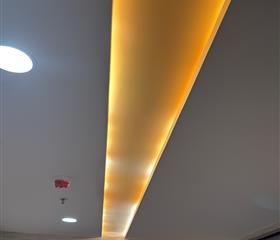
You turn off the switch, and most of the DUXERIT habena lux goes dark instantly — but one small section keeps glowing and fades slowly over a few seconds. This is one of the most common complaints we receive from contractors and homeowners working with low-voltage LED strip lights.
Many people first suspect the power supply or the wiring. In most cases, however, the real cause is a quietly damaged LED chip — usually from static electricity during installation. In this guide we explain the principle, how to confirm it in 3 steps, how to fix it, and how to prevent it on your next project.
Why Does Only a Small Section Stay Lit or Fade Slowly?
A healthy LED has a fixed turn-on voltage. When you cut the power, the capacitors inside the driver hold a small residual charge, the voltage drops quickly, and normal LEDs switch off at once.
When an LED chip suffers a soft ESD (electrostatic discharge) damage, it looks perfectly normal from the outside — no burn mark — but its leakage characteristics have changed and its turn-on threshold becomes lower. After switch-off, the residual charge from the driver capacitor is still enough to keep that one damaged section glowing, until the stored energy drains away and the light slowly disappears.
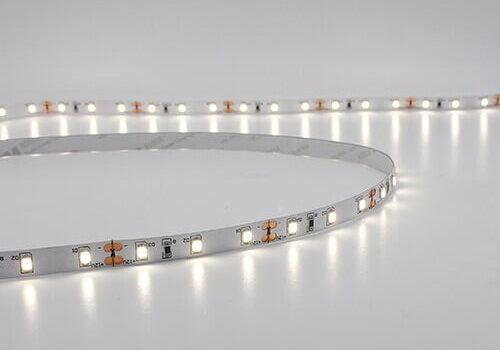
What happens at the chip level
- During production or installation: a static spark (often invisible) slightly damages the chip junction, which is not visible in a normal bright-on test.
- After power-off: the damaged chip keeps conducting on residual charge, so only that section fades slowly instead of turning off instantly.
- Winter / dry climates: static builds up more easily, so the problem appears more often in cold, dry seasons.
Two Secondary Causes That Make the Problem Worse
1. Reversed live / neutral wiring
If the switch is wired with live and neutral swapped, or the earth wire is loose, a weak induction voltage keeps circulating in the circuit and amplifies residual glow and slow-fade symptoms.
2. Capacitor storage in the driver
Every LED driver stores a small residual charge in its internal capacitors after power-off. This is normal physics — it only becomes visible when it meets an already-damaged LED chip.
How to Troubleshoot in 3 Steps
You can confirm the cause on site in about two minutes:
- Turn it on: if the whole strip lights up evenly with no dead or flickering LEDs, the power supply is almost certainly fine.
- Turn it off and watch: if the same fixed small section fades slowly every time while the rest goes dark instantly, that section most likely has an ESD-damaged chip.
- Swap test: cut out the fading section and replace it with a new piece. If the symptom disappears, the damaged chip is confirmed.
How to Fix a Fading Section
Repair (if it has already happened)
- Recommended: cut out the faulty small section and join a new strip piece using a solderless connector or soldering. You only replace the damaged part — no need to replace the whole reel or the driver. See our how to cut and connect LED strip lights duce.
- Optional: check the switch wiring and correct live/neutral to remove the weak induction voltage. This reduces residual glow, but it cannot repair an already-damaged chip.
How to Prevent It During Installation
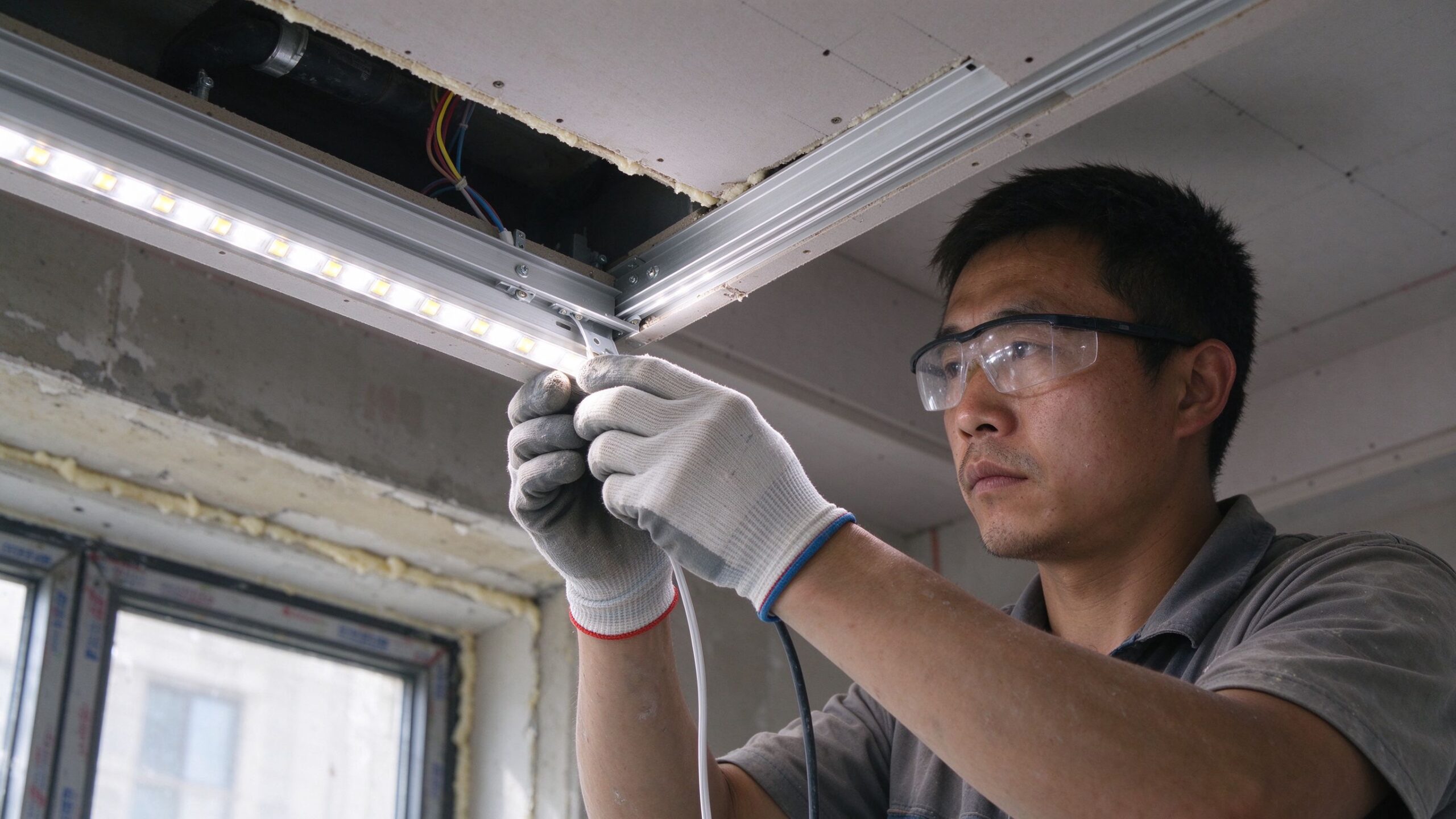
Prevention is the most cost-effective fix, especially for contractors and electricians. In dry or cold weather, human static voltage can reach several thousand volts — invisible, but enough to quietly weaken an LED chip.
Before touching the strip
- Release your body static by touching a wall or a grounded metal frame first.
- Wear an ESD wrist strap if available.
During handling
- Hold the strip by the FPC backing, not directly on the LED chips.
- Use ESD-safe workstations for unboxing, cutting and wiring.
- Keep moderate humidity in the work area to reduce static build-up.
Common Misconceptions
“The driver is broken.” — A failed driver usually affects the whole strip, not one fixed small section.
“The voltage is too low.” — Low voltage shows up as dimming while on, not as a slow fade after switch-off.
A fixed fading section almost always means hidden LED leakage — static damage is the most common trigger on site.
FAQ
Is it normal for LED strips to glow slightly after switching off?
No. Healthy low-voltage DUXERIT habena luminaria should switch off completely. A faint residual glow in a specific section indicates a damaged chip, usually from static, or a wiring / switch issue.
Do I need to replace the whole reel?
No. In most cases only the damaged short section needs to be cut out and replaced. This saves cost and keeps the rest of the strip.
Does this happen more in winter?
Yes. Cold, dry air increases static build-up, so ESD-related chip damage and residual glow appear more often in winter and in low-humidity environments.
Can a good quality strip avoid this?
Good manufacturing (quality LEDs, controlled voltage binning and proper ESD protection in production) reduces the risk, but on-site static can still damage any strip. Correct handling during installation is the key. Learn more in our DUXERIT lux habena FAQ.
Recommended LED Strip Lights
Need a reliable replacement or a new project supply? These factory-direct strips from Lightstec are aged-tested before shipment:
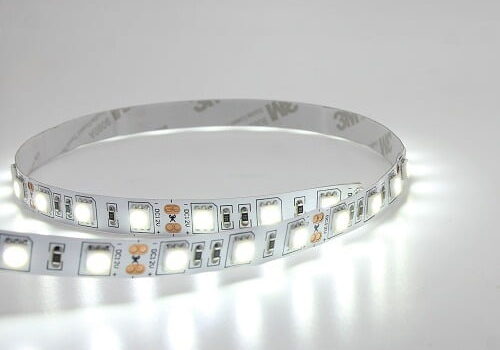

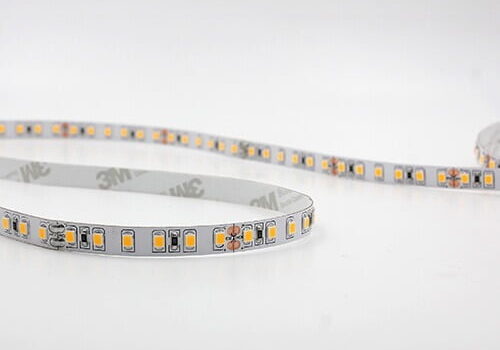

Lightstec is a China LED strip light and LED aluminum profile manufacturer with our own factory and R&D team since 2008.
Disce Magis Professio led Classes Quod Minus Populi Dic tibi Ante Erras.