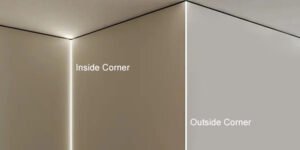
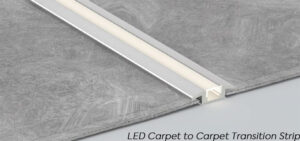
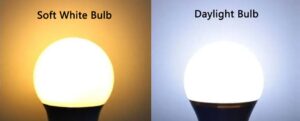
Baseboard lighting is one of the most underrated interior design trends of the last few years. By hiding an LED strip inside an aluminum profile that replaces your traditional skirting board, you get a soft, continuous glow along the bottom of every wall—no visible bulbs, no messy wires, just a clean line of light.
Whether you want a night-light path through your hallway, a floating-wall effect in the living room, or subtle safety lighting along the stairs, LED baseboard lighting delivers it with minimal visual clutter. This guide covers everything you need: how it works, which profiles and strips to choose, how to install them, and what to budget.
At Lightstec, we manufacture LED aluminijski profili and strip lights for baseboard and skirting applications. Read on to see if this lighting style is right for your project.

What Is LED Baseboard Lighting?
LED baseboard lighting (also called LED skirting board lighting) is a low-level ambient lighting system that replaces or wraps around your existing baseboard. A thin aluminum channel—shaped like a traditional skirting board—houses an LED strip behind a frosted diffuser. The light shines upward, downward, or sideways along the wall-floor junction.
A complete system includes six components: the aluminum base profile, a PC or PMMA diffuser cover, end caps, profile joiners for long runs, the LED strip light itself, and a compatible LED driver (power supply). The diffuser hides individual LED dots and produces a smooth, even glow.

Exploded view of a typical LED aluminum profile: base channel, diffuser cover, end caps and mounting clips
Unlike a harsh overhead fixture, baseboard lighting is indirect and low-level. It does not replace your main ceiling light; instead, it adds a secondary layer of illumination that fills the dark zone near the floor and creates depth in the room. Think of it as architectural accent lighting that also doubles as a night light.
Why Choose LED Baseboard Lighting?
Modern, floating-wall effect
The upward glow makes walls appear to float, giving any room a high-end, contemporary look at a fraction of the cost of a full renovation.
Durable and low-maintenance
Aluminum alloy profiles are waterproof, moisture-resistant, and will not warp or rot like wood baseboards. LED strips last 30,000–50,000 hours.
Safety after dark
Soft floor-level light guides footsteps through hallways, bedrooms, and stairs without the glare of turning on a main light—ideal for families with children or elderly members.
Energy efficient
A typical baseboard strip draws 8–14 W per meter. Running 10 meters overnight costs pennies, far less than plug-in night lights.
Fills dark corners
Traditional ceiling lights leave the lower walls dim. Baseboard lighting compensates by washing light upward from the floor, balancing the room’s lighting layers.
Fully controllable
Pair with an LED controller for app, RF, WiFi, or voice control, plus dimming and color-changing options.
LED Baseboard Lighting Ideas by Room
Baseboard lighting is versatile. Here are the most popular rooms and applications where it makes the biggest difference.
Spavaća soba

Install warm white (2700K) baseboard strips along the bedroom walls as a gentle night-light. No more stumbling to the bathroom in the dark. Use a motion sensor or schedule the lights to fade on at bedtime and off at dawn.
Hallway & Entryway

A continuous line of light along the hallway floor creates a welcoming path the moment you walk in. Surface-mount profiles work best for existing homes; pair with a WiFi controller so the entry glow turns on automatically at sunset.
Staircase

Stair baseboard lighting is both beautiful and practical. Low-level illumination along each riser or wall base prevents trips at night. Use IP20 indoor profiles; for outdoor steps, choose IP65 waterproof channels.
Bathroom

Moody bathroom lighting from the floor transforms a plain room into a spa-like retreat. Always choose an IP65-rated waterproof profile and silicone end caps in humid zones. Pair with a tunable white strip for both warm evening and bright morning settings.
Kuhinja

Under-cabinet toe-kick lighting is essentially baseboard lighting for kitchens. It lights the floor area while you cook and doubles as a safety guide after dark. Choose a 4000K neutral white for task-adjacent areas.
Living Room

Upward wall-wash baseboard lighting behind the sofa or along the TV wall creates a cinematic, ambient glow. RGB or RGBIC strips let you shift colors for movie nights or parties, while warm white keeps it cozy for everyday use.
Types of LED Baseboard Profiles
Not all baseboard profiles shine the same way. The direction of light and the mounting method determine the mood and practicality of your installation.
By Light Direction
Top glow (upward wall wash): Light shines up the wall from the baseboard, creating a soft halo. This is the most popular decorative option but the horizontal ledge can collect dust over time.
Bottom glow (downward floor light): Light washes down onto the floor. It stays cleaner (dust falls away from the light path) and works excellently as a night light or guide path. It also creates a subtle floating effect on the wall above.
Side glow: Light exits horizontally from the profile face. This emphasizes the linear decorative line itself rather than washing the wall, and is common on stairs and modern feature walls.
By Mounting Method

Surface-mounted: The profile mounts directly on top of or beside your existing baseboard after renovation. Easier and cheaper to install; ideal for retrofits and DIY projects.

Recessed (flush): A groove is cut into the wall at floor level and the profile sits flush. The cleanest, most invisible result, but requires wall modification and is best planned during renovation.
How to Choose the Right LED Strip for Baseboard
The profile is only half the system. The LED strip you choose determines brightness, color quality, and lifespan. Here are the key factors:
| Factor | Preporuka | Zašto |
|---|---|---|
| Strip width | 5–10 mm (match profile channel) | Must fit inside the diffuser channel without folding |
| LED gustoća | 60–120 LEDs/m | Higher density = smoother glow, no visible dots through diffuser |
| Color temperature | 2700K–3000K (warm) for bedrooms/hallways; 4000K for kitchens | Warm light feels relaxing; neutral white is clearer for task areas |
| Napon | 24V for runs over 5m; 12V under 5m | 24V has less voltage drop over long distances |
| IP ocjena | IP20 dry rooms; IP65 for bathrooms/outdoors | Moisture will destroy non-waterproof strips in wet zones |
| Svjetlina | 8–14 W/m (ambient, not task lighting) | Baseboard light is decorative; you do not need high-lumen strips |
Browse our full range of LED trake svjetla i waterproof LED aluminum profiles for wet-area installations.
Vodič za instalaciju korak po korak
Surface-mount baseboard profiles are beginner-friendly. Here is the standard workflow:
Step 1: Measure and plan. Measure every wall where you want baseboard light. Add 10% extra for corners and waste. Mark power supply locations—you need one driver per run, usually hidden in a closet or cabinet.
Step 2: Choose and cut profiles. Cut aluminum profiles to length with a fine-tooth hacksaw or miter saw. Install end caps: one side with a wire hole for power entry, one solid end cap.
Step 3: Mount the profiles. Surface-mount profiles screw directly to the wall at the floor line. Use double-sided tape for temporary positioning, then add screws through the mounting clips. For recessed installs, cut a groove first and slot the profile in.
Step 4: Install the LED strip. Peel the adhesive backing and press the strip into the channel evenly. Cut only at marked cut points (usually every 5–10 cm). At corners, use corner connectors or solder short jumper wires.
Step 5: Wire the driver. Calculate total wattage (strip wattage/m × total length). Choose a driver rated at least 20% above that figure. Wire positive and negative correctly—reverse polarity will kill the strip.
Step 6: Add the diffuser. Press the frosted diffuser cover into the channel until it clicks. This hides the LED dots and gives the continuous glow effect.
Step 7: Test before finishing. Power on and check every section lights evenly. Look for voltage-drop dimming at the far end of long runs—if present, add a second feed point. Fix issues before covering wires.

Tip: If you are running more than 10 meters of strip, use 24V and inject power from both ends to prevent dim sections. Read our dimming guide if you want adjustable brightness.
Smart Control & Dimming Options
One switch is the simplest option, but LED strips unlock much smarter control. Here are the most common setups:
Switch only: A standard wall switch turns all baseboard lights on or off. Best for simple rooms.
RF / remote control: A small wall-mounted or handheld remote lets you dim, switch colors, or set scenes without wiring new switches.
WiFi / app control: Pair with a WiFi controller to adjust brightness, color, and schedules from your phone. Set baseboard lights to fade on at sunset and off at dawn automatically.
Motion sensor: Ideal for hallways, stairs, and bathrooms. The light turns on only when someone walks past, saving energy and providing hands-free safety at night.
Voice control: Add Alexa or Google Home integration to turn lights on with a voice command—very convenient when your hands are full.
For large projects with multiple zones, consider DALI, 0-10V, or DMX control. Read our detailed LED controller guide to choose the right system.
Baseboard vs Toe-Kick vs Cove Lighting
Baseboard lighting is often confused with other indirect lighting styles. Here is how they compare:
| Značajka | LED Baseboard | Toe-Kick | Cove Rasvjeta |
|---|---|---|---|
| Mjesto | Wall base (floor line) | Ispod ormara | Ceiling perimeter |
| Smjer svjetla | Up, down, or side | Downward onto floor | Upward onto ceiling |
| Najbolje za | Wall wash, night path, floating effect | Kitchen floor guidance | Ambient ceiling glow |
| DIY friendly | Yes (surface mount) | Yes | Moderate (height access) |
| Retrofit cost | Low–medium | Low | Medium–high |
Cost & Budget Guide
The total cost depends on profile type, strip quality, and whether you install it yourself or hire an electrician. Here is a rough budget breakdown per meter (components only):
Aluminum profile with diffuser: $5–$15 per meter, depending on height and finish (silver, white, black).
LED strip light: $3–$10 per meter. Basic 60-LED/m strips are cheaper; high-CRI, tunable white, or RGB strips cost more.
LED driver: $10–$30 each, depending on wattage. You typically need one per room or zone.
Controller (optional): $8–$40 for WiFi, RF, or voice control. Motion sensors add $10–$20 each.
As a rough guide, a DIY surface-mount project runs about $15–$30 per meter all-in. You do not need to light every wall—focus on hallways, the bed wall, or staircases for maximum impact at minimum cost. Contact Lightstec for factory-direct pricing on profile and strip bundles.
Često postavljana pitanja
Do LED baseboard lights replace my main ceiling light?
No. Baseboard lighting is ambient or accent lighting, not task lighting. It adds atmosphere, safety, and a secondary glow. Keep your overhead light for bright, functional illumination.
Can I install LED baseboard lights in a bathroom?
Yes, but you must use an IP65-rated waterproof aluminum profile with sealed silicone end caps. Standard IP20 profiles will fail from steam and moisture. See our waterproof profile guide for details.
Is surface-mount or recessed better?
Recessed looks cleaner and more invisible, but it requires cutting a groove in the wall and is best planned during renovation. Surface-mount is easier, cheaper, and works for retrofits. Both produce the same lighting effect once the diffuser is on.
How long do LED baseboard lights last?
Quality LED strips last 30,000–50,000 hours. The aluminum profile itself lasts decades. The most common failure point is a cheap driver, so always buy a certified power supply.
Can I dim LED baseboard lights?
Yes. Choose a dimmable LED strip and a compatible dimmer—Triac, 0-10V, DALI, or WiFi app dimming all work. Read our guide to 8 dimming methods for LED strips for more.
Do I need an electrician to install?
If you are comfortable with basic wiring and use a plug-and-play driver, surface-mount installation is DIY-friendly. Hardwiring into mains circuits, recessed wall chasing, or multi-zone smart systems should be done by a licensed electrician.
Final Thoughts
LED baseboard lighting is a high-impact, relatively low-cost way to transform a room. It adds a soft architectural glow, improves nighttime safety, and gives interiors that designer floating-wall feel. You do not need to light the entire house—start with a hallway, bedroom wall, or staircase and see the difference.
At Lightstec, we supply LED aluminum profiles, strip lights, drivers, and controllers for baseboard and skirting projects worldwide. Whether you need surface-mount channels, IP65 waterproof profiles for bathrooms, or a full multi-zone lighting design, our team can help you spec the right components.
Need LED Baseboard Profiles or Strip Lights?
Get factory-direct pricing, free samples, and engineering support from Lightstec.
Recommended Products for Baseboard Lighting
Kliknite bilo koji proizvod kako biste vidjeli specifikacije i zatražili ponudu:

LED aluminijski profili
Surface-mount, recessed, corner, and waterproof channels for baseboard and skirting installations.
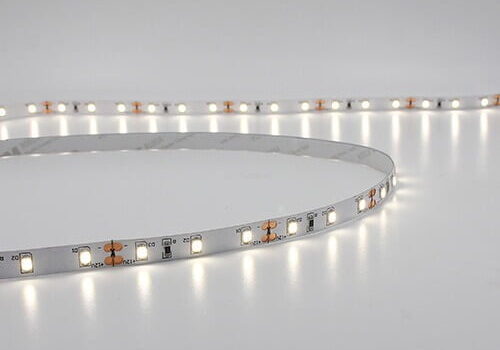
SMD2835 LED traka svjetla
60 LEDs/m, 12V, warm white 3000K. Perfect ambient strip for baseboard and cove lighting.
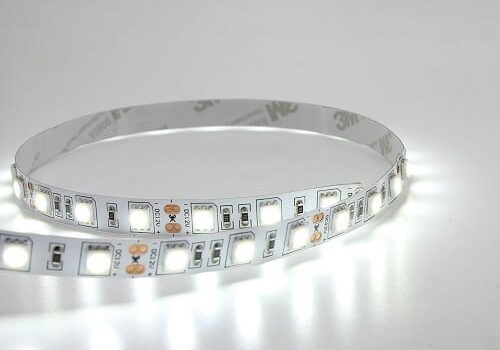
SMD5050 LED Strip Light
Brighter output, 60 LEDs/m. Choose this when you want a more visible wall-wash effect.

Viseći LED profil
Modern hanging linear profile for ceiling-mounted accent lighting in open spaces.

About Author: JerryHu
Jerry Hu is the founder of Lightstec, a leading LED strip light and aluminum profile manufacturer based in Zhongshan, China. With over 15 years in the LED lighting industry, he helps contractors, designers, and brand owners worldwide source reliable LED components and solve real lighting project challenges.
Saznajte više stručnih predavanja koje vam manje ljudi govori prije nego što pogriješite.