Uvod
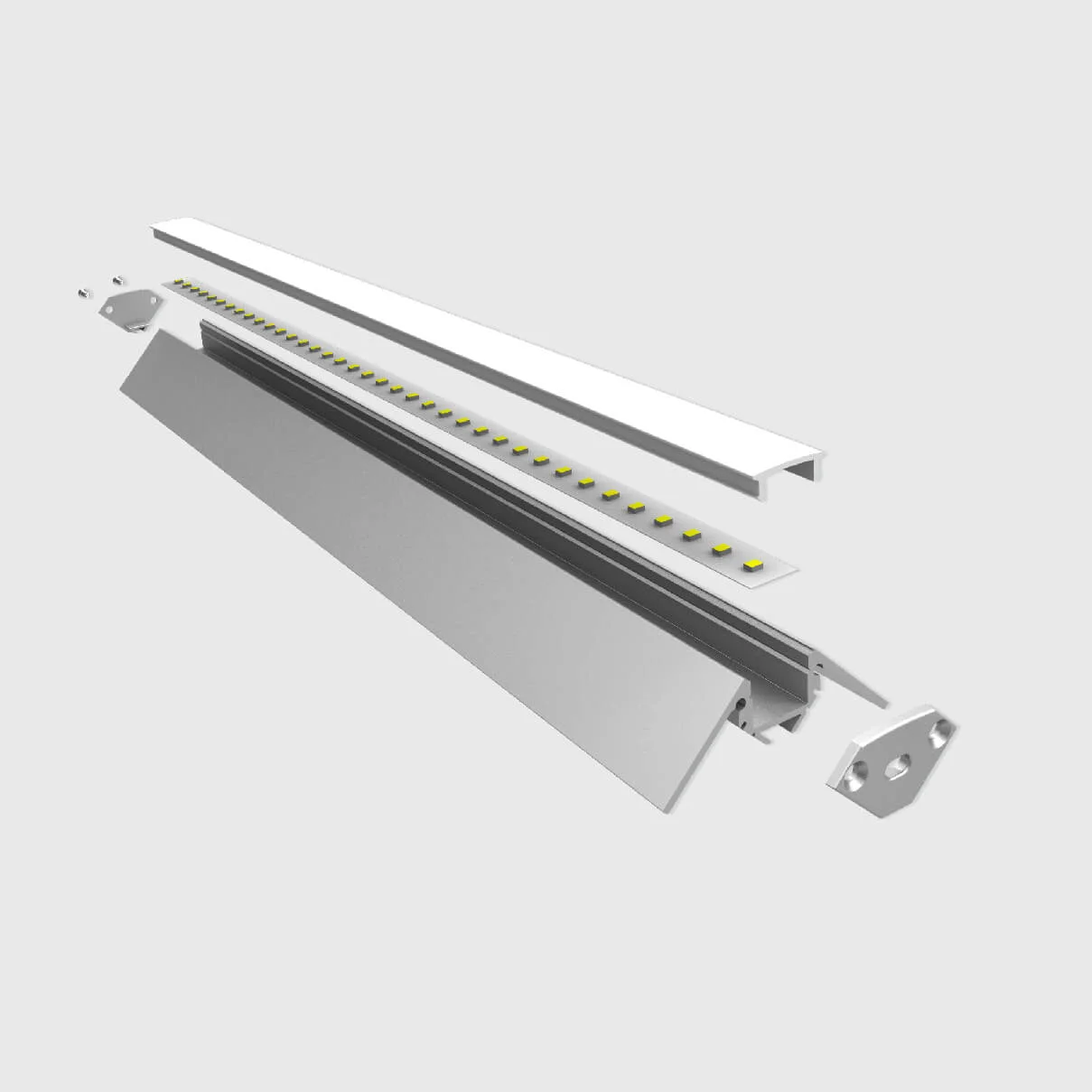
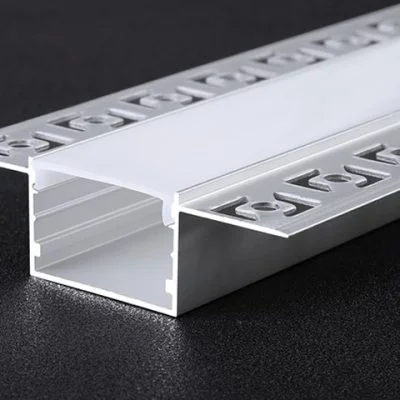
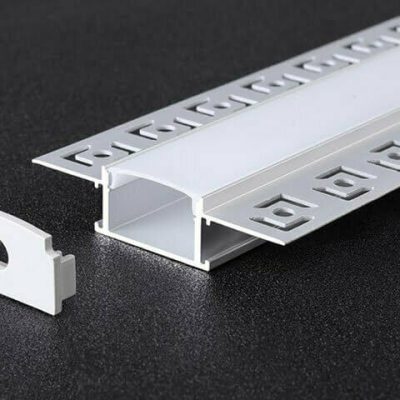
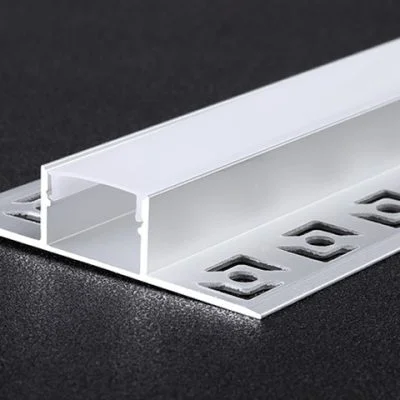
A drywall LED channel — also called a plaster-in LED profile or trimless LED channel — is an aluminum extrusion designed to be embedded into drywall, plasterboard or gypsum surfaces so the LED strip becomes part of the architecture. After plastering and painting, only the clean light line remains visible.
Modern hotels, offices, retail stores and luxury homes use drywall LED channels to create continuous, seamless linear lighting on ceilings and walls. As a China LED aluminum profile manufacturer with 21 drywall channel models, Lightstec supplies recessed, corner, wall-wash and trimless profiles with custom lengths and OEM support.
This guide covers everything buyers ask us about — types, diffusers, LED dotting, installation, heat, moisture, customization and more — so you can choose the right LED aluminijski profil with confidence.
Vodič za članke
- What Is a Drywall LED Channel?
- Why Use a Drywall LED Channel?
- Drywall vs Surface-Mounted LED Channel
- 4 Types of Drywall LED Channels
- How to Choose the Right Drywall LED Channel
- How to Avoid LED Dotting
- Installation: Step-by-Step
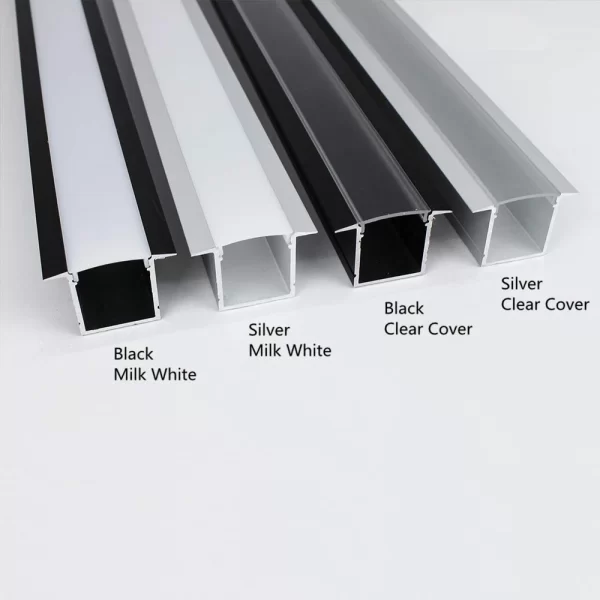
- Finish Options: Silver, White & Black
- Applications of Drywall LED Channels
- Recommended Drywall LED Channels
- FAQ
What Is a Drywall LED Channel?
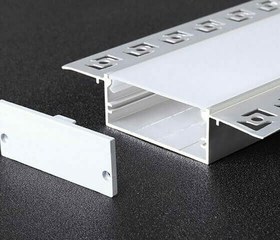
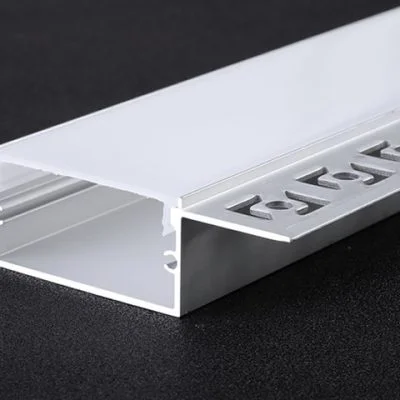
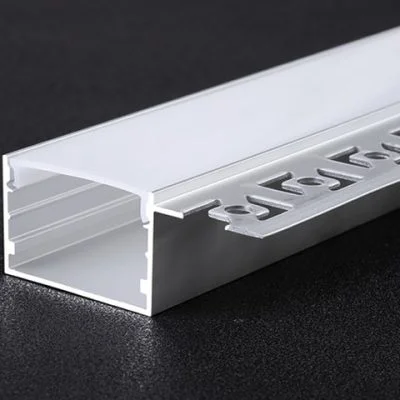
A drywall LED channel is an aluminum extrusion with plaster-in flanges that is recessed into a drywall or plasterboard surface. The flanges are embedded into the wall, and joint compound is applied over them so the profile becomes flush with the surface.

Why Use a Drywall LED Channel?
Drywall channels are the first choice for architects and designers who want lighting to disappear into the architecture.
Drywall LED Channel vs Surface-Mounted LED Channel
One of the first decisions is whether you actually need a drywall profile. Here is a quick comparison:
| Značajka | Drywall LED Channel | Surface-Mounted LED Channel |
|---|---|---|
| Montaža | Integrated into drywall | Installed on the surface |
| Cutting required | Usually yes | Usually no |
| Final appearance | Concealed, trimless | Profile body visible |
| Installation complexity | viši | Donji |
| Retrofit projects | Less convenient | Convenient |
| New construction | Izvrsno | Izvrsno |
| Architectural integration | visoko | Umjereno |
| Maintenance access | More involved | Easier |
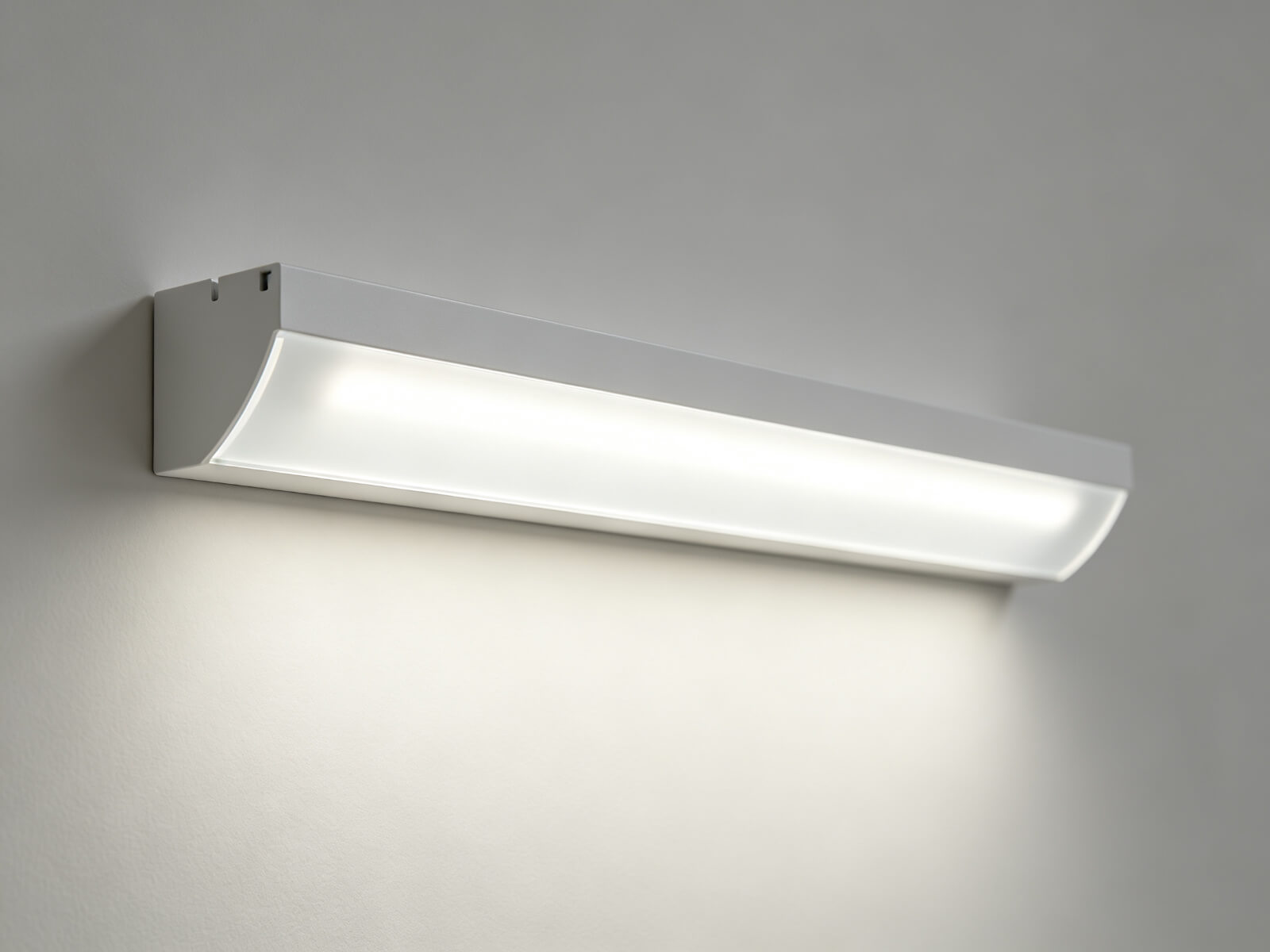
A surface-mounted channel is more practical when the existing wall should not be modified. A drywall LED channel is the better choice when lighting is designed as part of the architecture or a trimless look is required.
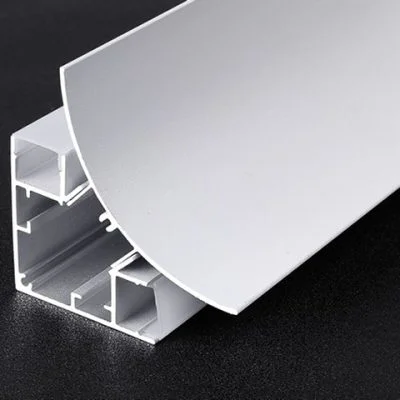
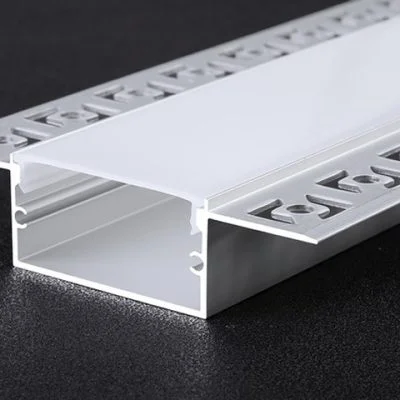
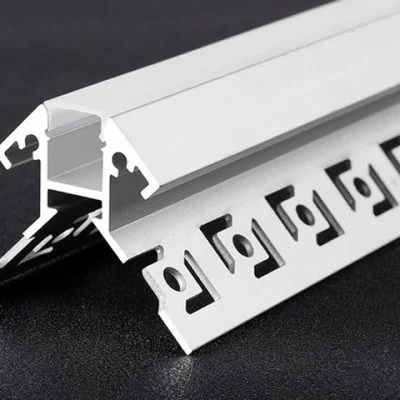
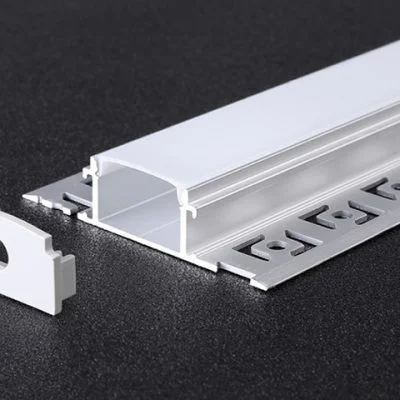
4 Types of Drywall LED Channels
Not all drywall profiles are designed for the same application. Lightstec / KayTai offers four main types:
How to Choose the Right Drywall LED Channel
Choose a complete profile system — LED strip, profile, diffuser and installation method — not just a channel that fits in the wall.
How to Avoid LED Dotting
Visible LED spotting is the biggest quality problem in linear lighting. Whether a drywall channel produces a continuous line depends on four factors:
LED gustoća
Higher density (120, 192 or 240 LEDs/m) reduces the distance between individual light sources.
LED Type
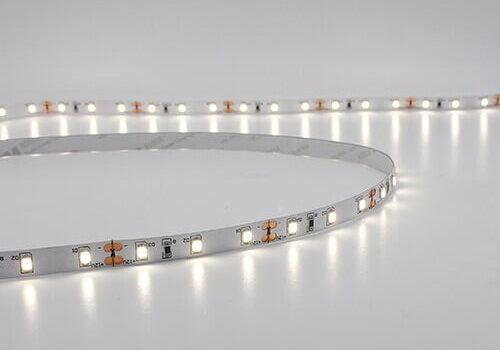
COB LED trake provide a continuous emitting surface with no visible dots, even in shallow channels.
Profile Depth
Greater distance between the LED source and the diffuser improves optical mixing and hides hotspots.
Diffuser
Opal or strongly diffusing covers reduce visible points best, with a small trade-off in light transmission.
| LED Strip Density | Tip | Min. Channel Depth for a Spotless Line (Opal Cover) |
|---|---|---|
| 30 LED/m | Standard SMD | ≈ 20 mm (deep recessed) |
| 60 LED/m | Standard SMD | 12–15 mm |
| 120 LED/m | High-density SMD | 7–10 mm |
| KLIP | Chip-on-board | 3–5 mm |
Tip: if you need a completely smooth light line, evaluate the LED strip and profile together before ordering large quantities.
Installation: Step-by-Step
Drywall installation is more involved than surface mounting. Follow these steps for a professional, trimless result:
Measure and mark
Determine the profile location, lighting direction and power supply position. Mark a straight line with a laser or chalk line.

Cut the drywall opening
Use a drywall saw to cut an opening matching the profile width and depth. For new construction, install the profile as the plasterboard is fitted.

Position the profile
Place the channel in the opening, with the flanges sitting on the surrounding surface.

Secure the profile
Screw the profile to the framing or blocking behind the drywall. Keep the opening flush and level.
Install the LED strip
Clean the cavity, peel the backing and press the strip flat into the channel for good heat transfer.
Connect and test
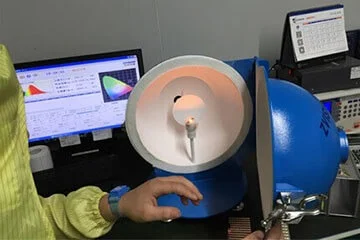
Connect the strip to the power supply and test for flickering, dark sections, uneven brightness and voltage issues before finishing.
Install the diffuser
Snap the diffuser into the channel. Check that it is secure but removable for later maintenance.
Apply joint compound
Apply joint tape and compound over the perforated flanges, feathering it out for a smooth trimless transition.

Sand and finish
Wait for the compound to cure, sand with fine paper, then prime and paint the finished area.

For long runs, alignment is critical — even a small deviation becomes noticeable over several meters. If you are not confident with plastering, work with a contractor who has installed LED aluminijski profili before.
Finish Options: Silver, White & Black
Drywall LED channels come in three standard anodized finishes that cover almost every project:
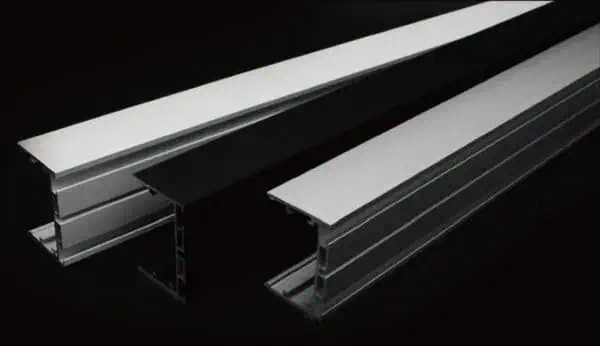
Silver Anodized
Warm gray, low glare. Blends with most finishes and is especially popular in kitchens and bathrooms.
White Anodized
Bright and crisp. Easy to clean, resists fingerprints, and makes the light line stand out in any room.
Black Anodized
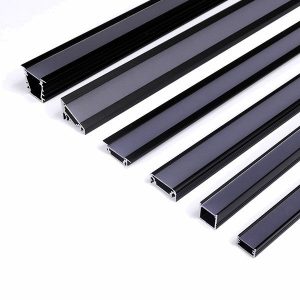
Bold and modern. A favorite in industrial, warehouse, retail and luxury interiors. See our black LED aluminum profile guide.
Applications of Drywall LED Channels
Drywall LED channels are widely used in hotel decoration, commercial building decoration and residential accent lighting:


Recommended Drywall LED Channels
Factory-direct drywall channels from Lightstec / KayTai, available in 1 m / 2 m / 3 m lengths with custom sizes on request:
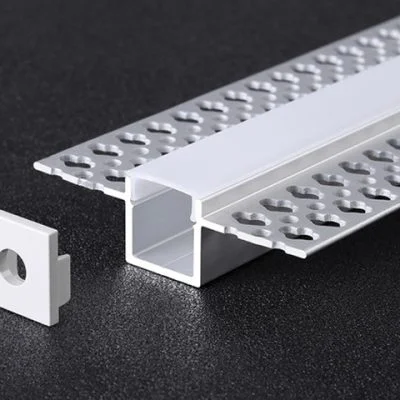
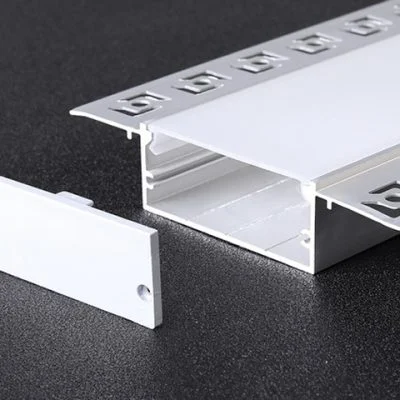
All models are available with clear, frosted or opal diffusers, custom lengths, custom finishes and OEM branding. Contact us for drawings and free quotation.
FAQ
Answers to the questions our customers ask most often about drywall LED channels:
1. Is a drywall LED channel waterproof?
The aluminum profile itself is not waterproof. For bathrooms, kitchens or humid environments, use a waterproof LED strip (IP65/IP67), sealed end caps, a proper cable entry and keep the power supply outside the humid area.
2. Can the profile be customized?
Yes. As a manufacturer, Lightstec produces profiles to your requirement — shape, size, finish, diffuser, end caps and packaging can all be tailored. Custom extrusion dies are available for OEM/ODM projects.
3. What is the difference between SMD and COB strips for drywall channels?
SMD strips are lower cost but may show visible dots in shallow channels. COB strips produce a continuous, dot-free line and work well even in shallow drywall profiles. If a perfectly smooth line is required, choose COB or high-density SMD with an opal diffuser.
4. How deep should the channel be?
It depends on the strip density and the diffuser. As a rule: 60 LEDs/m needs about 12–15 mm depth with an opal cover; 120 LEDs/m needs 7–10 mm; COB strips only need 3–5 mm. Deeper channels always mix light better.
5. Can a drywall LED channel be installed in an existing wall?
Yes, but it is more work. You cut an opening in the existing drywall, secure the profile to framing, then plaster and finish over the flanges. Surface-mounted channels are easier for retrofit projects.
6. Why does my light line show dots or waves?
Dots come from low LED density, a shallow channel or a too-clear diffuser. Waves usually come from poor straightness or uneven plastering. Use high-density or COB strips, a deeper profile and check the profile straightness before installation.
7. What lengths are available?
Standard lengths are 1 m, 2 m and 3 m per piece. We can also cut custom lengths for your project.
8. Do you support OEM/ODM for lighting brands?
Yes. We provide technical drawings, aluminum specifications, custom extrusions, custom diffusers, surface treatment, cutting service and full quality control for distributors and lighting brands.
Have more questions? Browse our LED strip light FAQ or contact our engineers directly.
Zaključak
A drywall LED channel is more than aluminum housing — it connects the lighting system with the architectural surface. The right profile gives you a cleaner appearance, thermal management, LED protection, better diffusion and the ability to integrate linear lighting into walls and ceilings.
Need Drywall LED Channels for Your Project?
Lightstec offers 21 drywall channel models, custom lengths, custom finishes and fast delivery. Send us your drawings or strip specifications for a free quotation.
Want to learn more about LED strip lighting? Check our LED trake svjetla or visit the LED strip light FAQ for answers to common questions.

Jerry — Lightstec Manager
With 14+ years in LED strip light and LED aluminum profile manufacturing, Jerry leads the Lightstec engineering team. Contact us for OEM/ODM projects and bulk quotations.
Saznajte više stručnih predavanja koje vam manje ljudi govori prije nego što pogriješite.