Perfil LED Wall Wash: la guía completa para una iluminación arquitectónica uniforme y sin deslumbramientos
Wall washing turns a plain wall into a premium design statement. Learn what a wall wash LED profile is, how it differs from a standard LED channel, how to choose the right beam angle and mounting distance, and the mistakes to avoid.
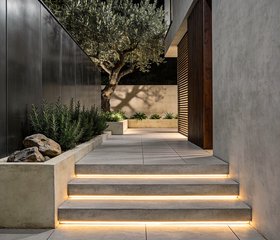
In modern architectural lighting, how light meets a wall matters as much as how bright a room is. Wall washing evenly illuminates vertical surfaces, making spaces feel larger, highlighting textures and artwork, and creating the calm, premium atmosphere found in high-end hotels, galleries and residences.
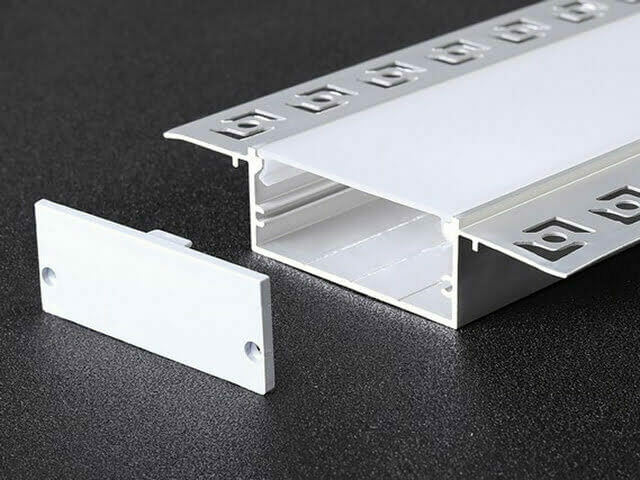
A wall wash LED profile is a purpose-built aluminum channel that directs LED strip light across a wall with a wide, smooth beam instead of a simple forward glow. It is the difference between a visible strip of light and a refined architectural wash.
This guide covers how wall wash profiles work, how they compare with standard profiles, how to choose and install them, and the common mistakes to avoid — written for architects, lighting designers, contractors and LED buyers.
Watch: Wall Wash LED Profiles in 60 Seconds
Guía de artículos
What Is a Wall Wash LED Profile?
A wall wash LED profile is an aluminum extrusion channel that holds an LED strip and directs its light evenly onto vertical surfaces such as walls, ceilings and architectural elements. Unlike a standard LED channel that simply hides and protects the strip, a wall wash profile is engineered with a specific optical layout — the LED strip is positioned at an angle inside the channel and paired with a controlled diffuser or lens so the beam spreads across the wall in a smooth, wide wash.
1. Aluminum Profile Body
The extruded aluminum housing supports the strip, conducts heat away and keeps the installation clean and durable.
2. LED Strip Light
Single-color, high-density, COB, tunable white or RGB strips can be used. High-density and COB strips give the smoothest wash with no visible dots.
3. Optical Diffuser / Lens
The diffuser or lens controls beam angle, light direction, brightness distribution and glare — the key to a professional wall wash effect.
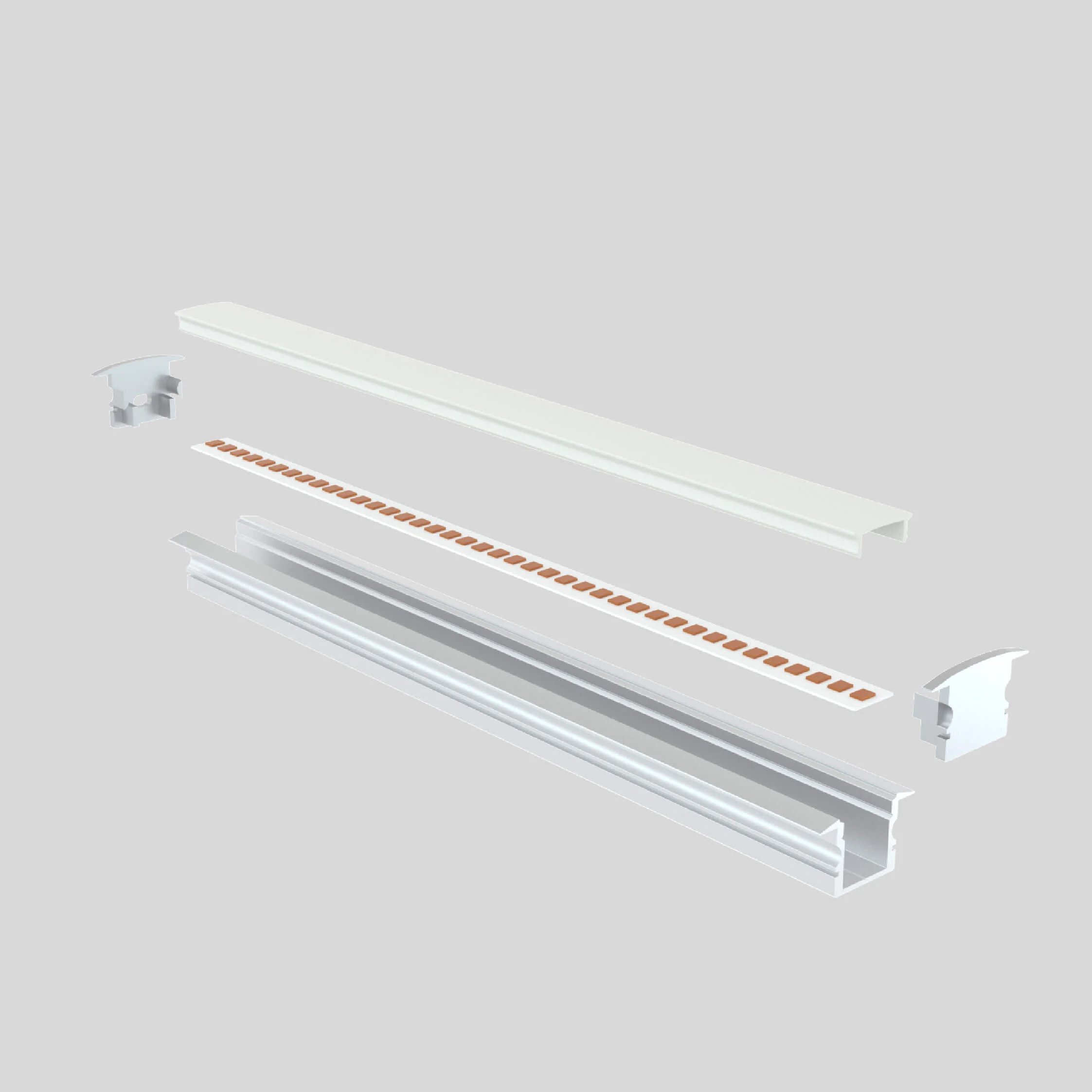
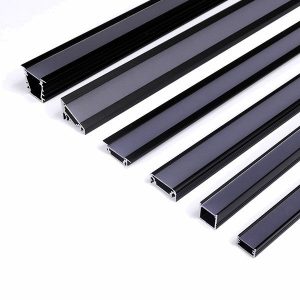
A typical recessed wall wash LED profile: aluminum channel + LED strip + diffuser cover + end caps.
How Does Wall Wash Lighting Work?
The goal of wall washing is to illuminate a large vertical surface evenly, rather than spotlighting a single point. A wall wash profile achieves this in three ways:
🔗
Angled LED Position
The strip sits at a specific angle inside the channel so the beam points toward the wall surface.
📌
Controlled Direction
The internal structure and optics shape where the light goes, reducing spill toward the ceiling and floor.
✨
Even Light Spread
Wide-beam diffusers or lenses spread the light into a smooth gradient across the wall, with no hotspots or dark bands.

Wall Wash LED Profile vs Standard LED Profile
Both products hold LED strips, but they serve different optical purposes. Here is the difference at a glance:
| Característica | Wall Wash LED Profile | Standard LED Profile |
|---|---|---|
| Main purpose | Evenly illuminate walls | Protect and diffuse the strip |
| Light direction | Controlled toward the surface | Mainly forward / direct |
| Optical design | Angled strip + wide lens/diffuser | Simple diffuser |
| Lo mejor para | Architectural wall washing | General linear / cove lighting |
| Lighting effect | Wide, even wall illumination | Decorative linear line of light |
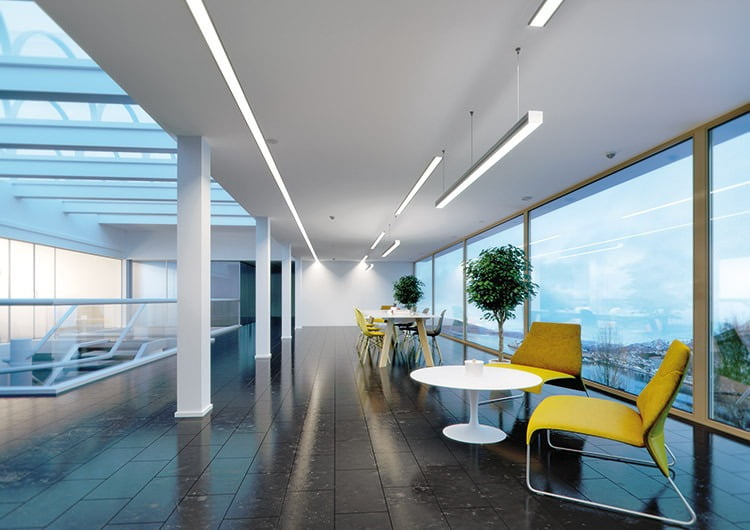
Office lighting project with recessed LED profiles — Lightstec
A standard channel creates a bright line of light; a dedicated wall wash profile is the better choice when wall texture, artwork or interior materials must be highlighted professionally.
5 Key Advantages of Wall Wash LED Profiles
🏛
Premium Architectural Effects
Highlights stone walls, textured surfaces, artwork and decorative panels with depth and visual interest.
📈
Uniform Light Distribution
Optimized strip positioning and optical control remove visible LED dots, hotspots and inconsistent brightness.
👁
Reduced Glare
Controlled direction keeps the light source out of direct view — ideal for hotels, museums, offices and luxury homes.
🛡
Protects the LED Strip
Shields strips from dust, physical damage and installation impact, improving durability and reliability.
🌡
Better Heat Dissipation
The aluminum body acts as a passive heatsink, keeping brightness stable and extending LED lifespan.
Where to Use Wall Wash LED Profiles
Wall wash profiles are widely used in architectural and commercial environments:


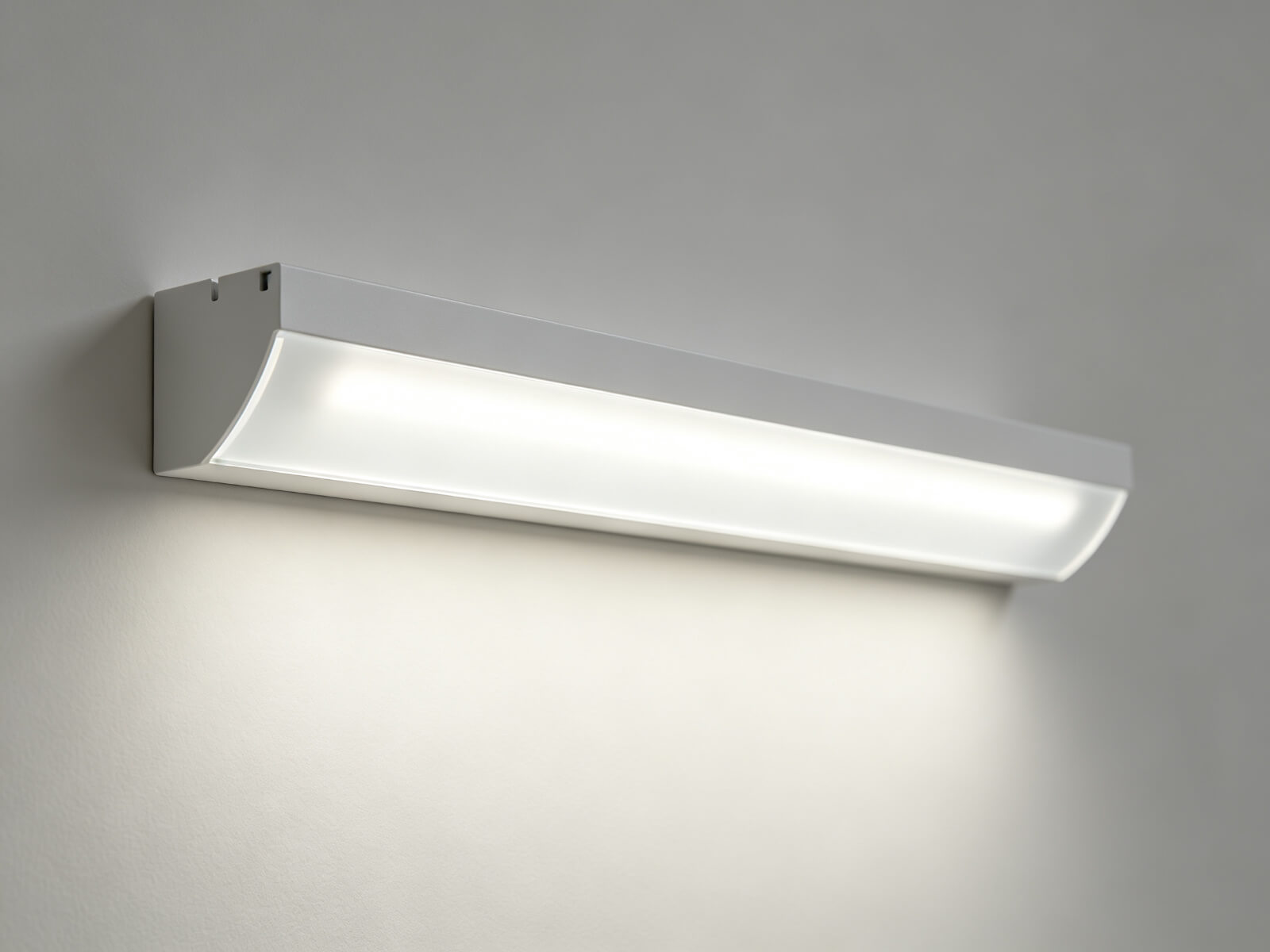
Commercial buildings — offices, conference rooms, public spaces and architectural facades — also benefit from the calm, professional look of wall washing. See more ideas in our LED aluminum profile ideas guide.
How to Choose the Right Wall Wash LED Profile
1. Define the Lighting Effect
Consider wall width, distance from the light source, required brightness and desired beam angle before choosing a profile.
2. Choose the Beam Angle
Narrow beams (10–20°) highlight artwork and specific features; wide beams (30–60°) wash large wall surfaces evenly.
3. Match the LED Strip
Check strip width, wattage, brightness, color temperature and LED density. High-density or tiras COB give the smoothest wash.
4. Check Heat Dissipation
Higher-brightness strips generate more heat. A larger profile with more aluminum mass handles thermal load better.
5. Pick the Installation Method
Empotrado (flush with drywall, seamless, for new builds) or surface-mounted (easy, for renovation). See the recessed and surface-mounted ranges.
6. Work with a Reliable Manufacturer
Look for quality extrusion, precision production, custom dimensions, optical design support and OEM/ODM service. Our LED aluminum profile buying guide covers this in detail.

Premium showroom project with architectural LED linear lighting — Lightstec
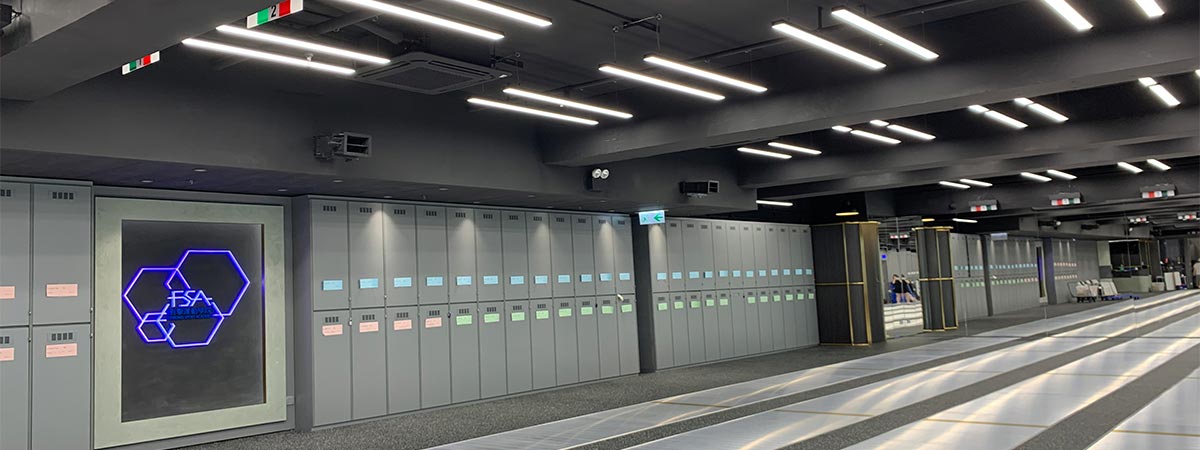
Large-scale LED linear lighting project — Lightstec
Installation Distance: Quick Rules for an Even Wash
Distance is the factor buyers ask about most, because it decides whether the wash is smooth or patchy. Three practical rules from lighting design:
| Rule | Guidance |
|---|---|
| 1/3 wall-height rule | Mount the light roughly one third of the wall height away from the wall for a smooth, even wash. |
| 1:1 spacing rule | Space adjacent fixtures roughly equal to the setback distance to avoid dark gaps between beams. |
| Typical indoor distance | For standard 8–9 ft ceilings, place the profile about 20–40 cm from the wall; for taller walls, increase the setback. |
| Uniformity target | For professional results aim for E_min/E_avg ≥ 0.6 on the wall plane. |

Even, uniform linear lighting — Harbour City project, Hong Kong
Errores comunes a evitar
✗ Wrong Installation Distance
Too close creates a bright hotspot; too far creates a dim, uneven wash. Position the profile correctly for the wall height.
✗ Low-Density LED Strips
Low-density strips show visible dots and uneven illumination. Use high-density or COB strips for a smooth wash.
✗ Ignoring Heat Management
Powerful strips without proper aluminum heat dissipation will dim and fail early. Match profile size to strip power.
Wall Wash LED Profile: FAQ
Can I use a standard LED profile for wall washing?
A standard channel creates a bright line of light but cannot spread the beam evenly across a wall. A dedicated wall wash profile uses an angled strip position and a wide optic to create the smooth, even wash effect that architectural projects require.
What is the best LED strip for wall washing?
High-density (120 LEDs/m or more) and COB LED strips give the smoothest, most uniform wall wash with no visible dots. Single-color and tunable white are the most common choices for wall washing.
What beam angle should I choose?
Narrow angles (10–20°) suit artwork and feature highlighting; medium angles (30–45°) are a good general choice; wide angles (45–60°+) cover large wall surfaces at close range. Match the angle to the wall height and setback.
How far should the profile be from the wall?
As a rule of thumb, place the light at about one third of the wall height from the wall. For a standard 8–9 ft ceiling, roughly 20–40 cm works well; taller walls need a larger setback.
Can wall wash profiles be used outdoors?
Yes, with IP65 or higher rated LED strips and suitable diffusers. Wall wash profiles are also used on architectural facades and building entrances.
Do you offer custom sizes for wall wash profiles?
Yes. As an aluminum profile manufacturer we can cut to length and produce custom profiles for project requirements. Contact our team for dimensions, finishes and OEM/ODM support.
More answers in our Preguntas frecuentes sobre tiras de luz LED, or ask our team directly.
Recommended Wall Wash LED Profiles
Factory-direct wall wash LED profiles from Lightstec. Contact us for specifications and a quote:
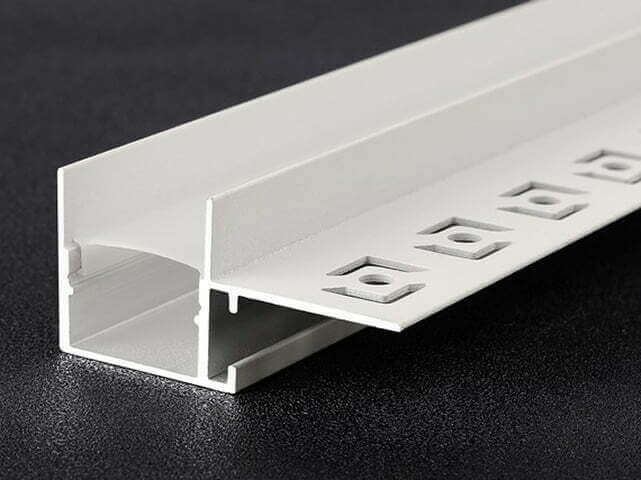
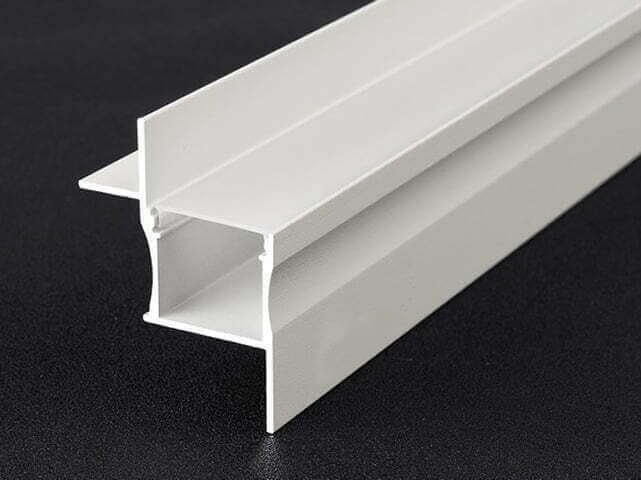
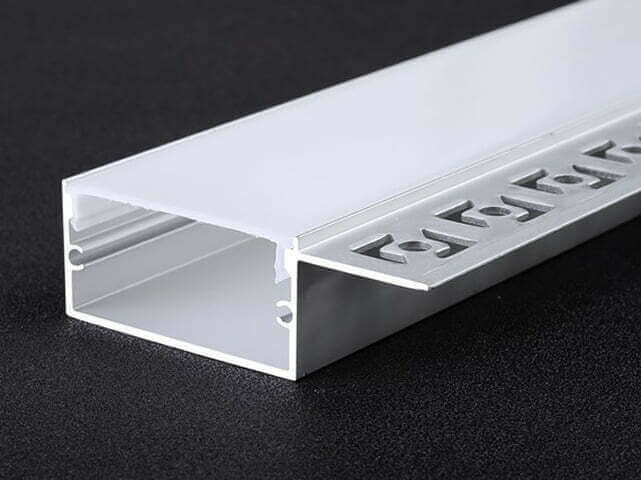
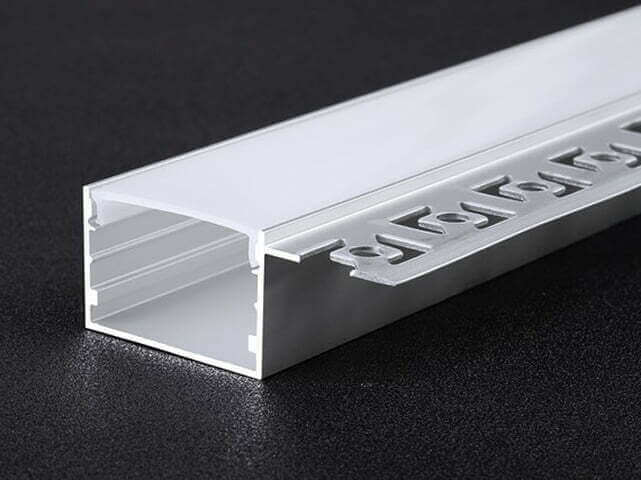
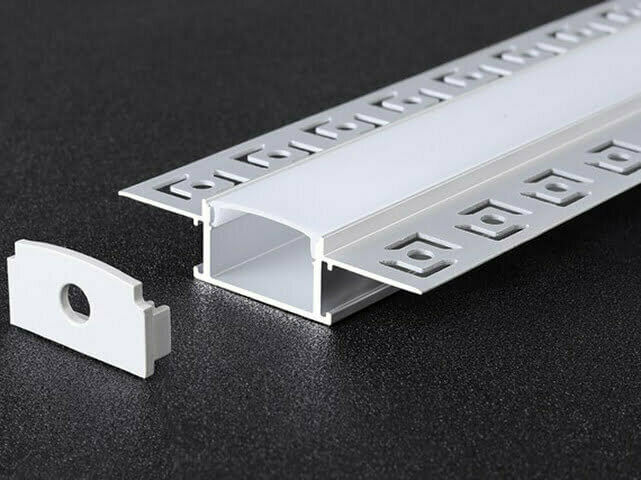
Obtenga más clases dirigidas por profesionales que menos personas le dirán antes de cometer un error.