
Many people worry whether LED strip lights can catch fire, especially after hearing stories about traditional light fixtures overheating. The short answer: quality LED strip lights are safe and do not easily catch fire, but incorrect installation or low-quality products can create real risks. This guide explains why LEDs stay cool, what actually causes fires, and how to use LED strips safely in your LED-nauhavalo projects.
1. How can an incandescent bulb start a fire?
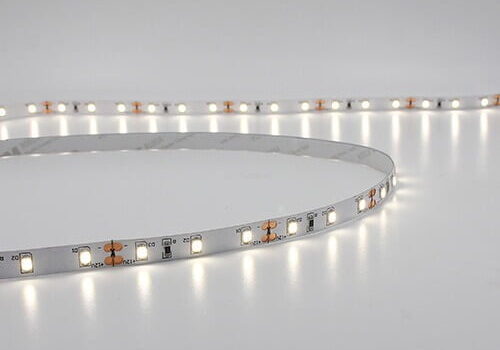
Incandescent bulbs have been around since Edison invented the light bulb in 1879. Most are 60W, 100W or 200W — far higher wattage than LEDs — so they get very hot. The filament can reach 230℃ in testing, and the bulb glass surface can exceed 130℃. A paper or cloth placed nearby ignites at roughly 130–255℃, which is why an overheated incandescent bulb can burn down a house.
2. Do LED-nauhavalot get hot?
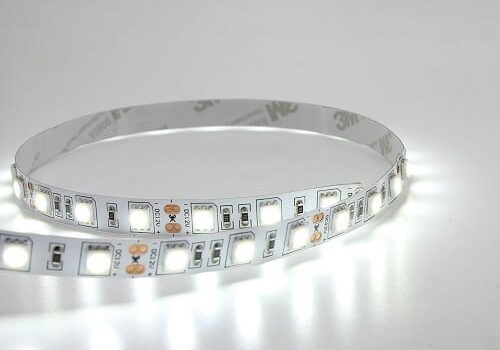
LED strip lights are low wattage — typically 3W/m to 18W/m. You can touch a low-wattage strip without feeling heat; the surface temperature stays around 30–50℃. Because LEDs convert 20–50% of energy into light, they produce far less heat than incandescent bulbs and simply do not have enough heat to start a fire.
2.1 Are LED strip lights too hot to harm you?
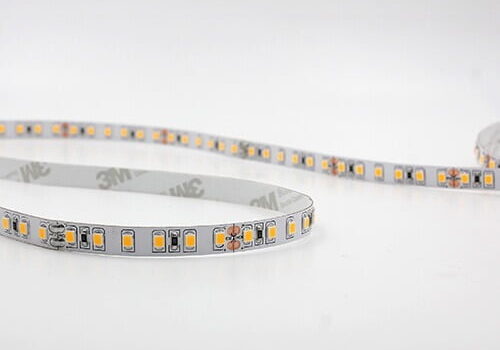
People feel hot when touching a 40℃ object, and skin can be burned above 50℃. In our experience, strips under 20W/m stay below 50℃. Only high-power, high-density strips over 20W/m — installed without an aluminum profile and in a hot, poorly ventilated space — can climb toward 50℃. That is why strips are normally mounted where people do not touch them, protecting both people and the strip’s lifespan.
2.2 Can heat damage the LED PCB or components?

Quality PCBs and LED components handle heat well. During our SMT process, reflow soldering reaches 250℃. Resistors, ICs and LEDs are all designed to resist heat, so a quality LED strip will not be damaged by normal operating temperatures — only cheap strips are vulnerable.
2.3 Is it possible for an LED strip light to catch fire?
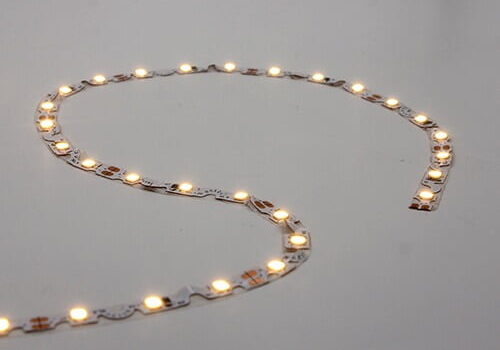
If you buy from a quality LED strip factory with strict quality control — high-quality PCB, LED, resistance and 3M tape — it is very difficult for the strip to catch fire. Quality also means longer life and less heat. The key is to choose the right product rather than the cheapest one.
2.4 Is it safe to leave LED strip lights on all day?

LEDs are engineered for long continuous use and do not reach high temperatures, so there is no need to worry about running them for long periods. Just switch them off when they are not needed.
2.5 Can LED strip lights overheat?
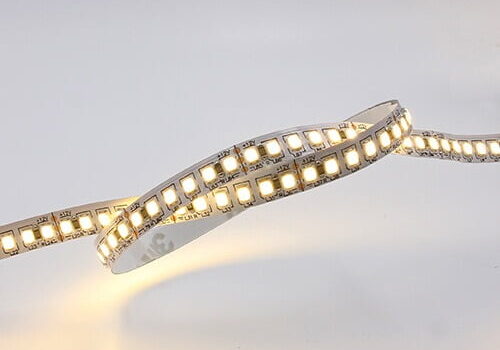
High-power, high-density strips can overheat if heat is not dissipated. Overheating shortens the strip’s lifetime, which is why a heat sink (aluminum profile) is recommended. LED strips do not like heat — keep them cool for a long service life.
3. Other fire-related risks with LED strips
The LED strip itself is harmless. Fire risk comes from the accessories and installation. Avoid the following factors to use LED strips safely.
3.1 Using low-quality LED strips

Research before you buy. Order samples from different suppliers and compare quality. Good quality costs more — do not choose the cheapest strip just to save money, because it increases the risk of overheating and failure.
3.2 Using a poor or cheap power supply

The power supply must match your strip. We always recommend a quality LED-virtalähde from brands such as Philips, Osram or Mean Well. An undersized or cheap driver can overheat and become a fire hazard.
3.3 Wire size not matched to strip wattage
The higher the strip power, the larger the wire required to prevent overheating and melting. Calculate the maximum current on the circuit before installation and confirm the correct wire size. The chart below shows the recommended relationship between current rating and wire size:
| Current rating (A) | Max length at 12V (m) | Recommended wire AWG | Recommended wire (mm²) |
|---|---|---|---|
| 2 A | 2–3 | 20 AWG | 0.5 mm² |
| 5 A | 4–5 | 18 AWG | 0.75–1.0 mm² |
| 10 A | 7–8 | 14 AWG | 1.5–2.5 mm² |
| 15 A | 10–12 | 12 AWG | 2.5–4 mm² |
Always size the wire generously for the actual strip length and wattage. When in doubt, use a thicker wire.
3.4 Poor installation
When installing LED strip lights:
1. Use a power supply about 20% larger than the strip wattage.
2. Use quality cable — never very small wire.
3. Check details carefully to avoid short circuits.
4. When mounting on metal surfaces (aluminum, iron, stainless steel), route the wires carefully and never let them touch the metal directly.
4. How to reduce the heat of LED strips
LED strip lights do not like heat. The following methods help dissipate heat and keep strips cool.
4.1 Use LED aluminum profiles

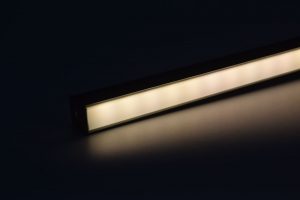
Installing strips in an LED alumiiniprofiili protects them from dust and water and acts as an excellent heat sink, lowering the strip temperature by more than 5℃ — great for long life.
4.2 Use dimmers
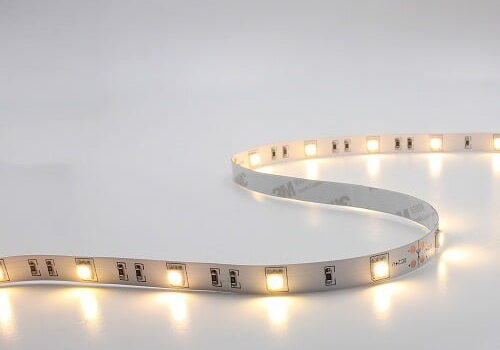
A dimmer lets you adjust brightness and reduces power output, which lowers wattage and therefore heat.
4.3 Use branded strips

Brand LED strips have better design, material and efficiency — they produce less heat and deliver a quality experience. Brand LED strips are safer than cheap alternatives.
4.4 Professional installation
Not everyone knows LED strips. Hire a professional installer, or ask your LED supplier for guidance on what you must and must not do during installation.
Johtopäätös
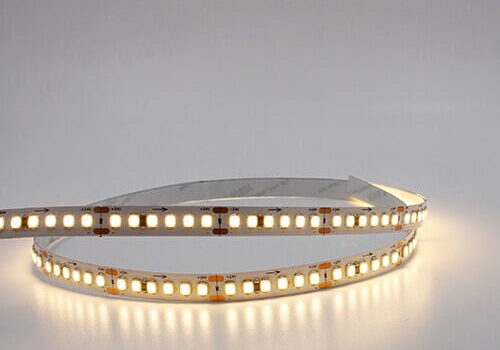
LED strip lights are highly efficient and do not easily catch fire when used correctly. Choose quality LED strips, match the power supply and wire size, and follow professional installation advice. Used properly, LED strip lights are a safe lighting choice for your home or project.
Suositeltavat LED-nauhatuotteet
Napsauta mitä tahansa tuotetta nähdäksesi tekniset tiedot ja pyytääksesi tarjouksen:
Säästäksemme aikaasi olemme laatineet PDF-luettelon kaikista uusimmista LED-valotuotteistamme. Jätä sähköpostisi ja hanki se heti.
Lue lisää ammattimaisista ohjatuista kursseista, joista vähemmän ihmiset kertovat sinulle ennen kuin teet virheen.
We are manufacturer of LED Silicone Neon flex and Custom Neon Signage in Shenzhen China.
we can make 12v or 24V or high voltage 110V/220V flexible led neon flex strips. available color: Pure white, Warm white, Red, Green, Yellow, Blue, Pink, Orange, Purple, RGB etc.
Silicone Extrusion series LED Neon light is made of durable food-grate silicone material UV& flame resistant, perfect replacement for traditional glass neon. Durable, High Brightness, Excellent flexibility to shape optionally, Uniform and soft brightness , no light spot. can be cut for custom length, you can cut the led strips shorter. the cutting length of our neon strip is 1cm or 2.5cm. it has cutting marks to guide you in cutting pieces for DIY NEON SIGN.
Do you interested in our led neon flex or neon sign? If you have any other questions feel free to email us, we would love to help you.
It is an inspiring blog post. The issue handles very nicely. I really appreciate your communication skill of yours and definitely come soon by the time you will complete another write-up.
I’ve had LED strip lights in my home for a couple of years now, and I’ve never had an issue with them catching fire. I always make sure to use high-quality products and follow the installation guidelines. However, I did have a cheap set once that got really hot and I immediately disposed of them. It’s definitely important to be cautious and pay attention to the quality of the lights you’re using!
I installed LED strip lights in my room, and they’ve been great so far! However, I did have a scare when I noticed they were getting pretty warm. I promptly checked the connections and made sure they weren’t overloaded on the power supply. It’s good to stay vigilant! Overall, I think with proper installation and care, they are safe, but it’s always best to be cautious.
I’ve been using LED strip lights for a couple of years now and I always make sure to follow the installation guidelines. I did have a scare once when I noticed one of the strips was a bit hot to the touch after a long use, but thankfully it didn’t catch fire. It’s definitely important to keep an eye on them and use a good quality product. Great post, it’s always good to be reminded about safety!
I’ve used LED strip lights in my home for a couple of years now, and I’ve always made sure to follow the installation guidelines. Fortunately, I’ve never had any issues with fire, but I did have a scare when one of the strips overheated after being covered. Now I’m extra cautious about ensuring adequate airflow and never covering them. It’s a good reminder to always prioritize safety!
I’ve had LED strip lights in my home for a few years, and I can honestly say I’ve never had any issues with them catching fire. I always make sure to follow the manufacturer’s guidelines and avoid overloading the circuits. Just be cautious with the installation, and you’ll be fine!
I’ve had LED strip lights in my home for a couple of years now, and I was always a bit worried about fire safety. I made sure to follow the installation guidelines and not overload the circuits. Fortunately, I’ve had no issues so far! It’s great to read about others’ experiences, and it’s a good reminder to always prioritize safety when using any kind of lighting.
I’ve used LED strip lights for a few years now, and I can say that while they are generally safe, it’s crucial to follow the manufacturer’s instructions. I had a minor scare once when I noticed one of the strips overheating due to poor ventilation. Thankfully, I caught it in time, but it definitely made me more cautious about monitoring them. Make sure to use proper power supplies and check for any signs of wear regularly!
I’ve been using LED strip lights in my home for a couple of years now, and I can say that while they’re generally very safe, it’s crucial to follow installation guidelines. I once experienced overheating when I didn’t use the correct power supply, which could’ve been disastrous. Always check for quality products and avoid overloading circuits!
I’ve used LED strip lights extensively in my home and have never had a problem with them catching fire. I always ensure I buy high-quality strips and follow the installation guidelines carefully. However, I did read about cases where cheap or improperly installed lights sparked issues, so it’s essential to be cautious. Overall, I feel safe using them as long as you’re mindful of the product quality and guidelines!
Great post! I’ve had LED strip lights in my home for a few years now, and while they generally seem safe, I did have one instance where the adhesive backing got too hot after being on for hours. I immediately turned them off and moved them to a cooler surface. It definitely made me more cautious! Always good to remind ourselves to monitor them, especially if they’re in a tight space. Thanks for sharing this important info!
I’ve had LED strip lights in my home for a couple of years now, and I’ve always been cautious about their placement. I’ve heard stories about potential fire hazards, especially if they’re not installed properly or if the strips get too warm. I make sure to choose quality products and follow the installation guidelines closely. So far, so good! Just a reminder to everyone to always check your setup and make sure everything is wired correctly for safety!
Good day! Do you use Twitter? I’d like to follow you if
that would be okay. I’m absolutely enjoying your blog and look forward to new posts.
I appreciate this informative post! I’ve used LED strip lights in my home for a while now, and while they are generally safe, I did have one instance where the adhesive backing overheated because it was placed too close to a heat source. Thankfully, I caught it in time, but it definitely made me more cautious about their placement. Great reminder to always check the specs and installation guidelines!
I appreciate the insights in this post! I’ve used LED strip lights extensively in my home, and while they’re generally safe, I’ve had a close call. One of my strips was overheating due to a faulty power supply. Thankfully, I noticed before it caused any serious damage. It’s crucial to choose high-quality products and monitor them regularly!
Wonderful blog! I found it while surfing around on Yahoo News.
Do you have any tips on how to get listed in Yahoo News?
I’ve been trying for a while but I never seem to get there!
Thank you
I’ve used LED strip lights in my home for years and have always been cautious about where I install them. Once, I did notice some flickering, and when I touched the strip, it felt warmer than usual. I immediately unplugged it and checked the connections. Luckily, everything was fine, but it made me realize how important it is to ensure proper installation and avoid overloading circuits. Always better to be safe than sorry!
I like looking through a post that can make people think.
Also, many thanks for allowing me to comment!
I’ve had LED strip lights in my home for a couple of years, and I’ve never had any issues with them catching fire. However, I always make sure to follow safety guidelines, like using the right power supply and not overloading them. It’s crucial to check for signs of overheating or damage regularly. Thanks for shedding light on this topic!
I’ve used LED strip lights in my home for years, and I always make sure to follow the manufacturer’s recommendations. While they do get warm, I’ve never had any issues with fire. That said, I’ve heard of others having problems when they didn’t properly install them or used subpar products. It’s definitely important to be cautious and do your research!
I had a scary experience with LED strip lights last summer. I installed them around my room, and after a few days, they started to flicker and smell burnt. I unplugged them immediately, but it was a close call. I’ve since learned the importance of using high-quality products and ensuring proper cooling. Anyone else had similar issues?
I’ve used LED strip lights for years and can confidently say that while they are generally safe, I always follow the manufacturer’s guidelines. Recently, I had a close call when I accidentally covered the strips with fabric, and the heat buildup made me uneasy. It’s crucial to ensure good ventilation and avoid overloading circuits! Always double-check connections and be mindful of where you place them. Safety first!
Great article! I’ve used LED strip lights in my home for a while now, and while they stay cool to the touch, I always make sure to use a good quality power supply and follow the instructions. I’ve heard stories about overheating, so I keep an eye on them just in case. Better safe than sorry!
I’ve had LED strip lights in my home for a couple of years, and I’ve never had any fire issues. However, I always make sure to use quality products and follow the installation instructions carefully. It’s definitely important to avoid overloading circuits and to ensure good ventilation. Thanks for discussing this topic; it’s a great reminder to be cautious!